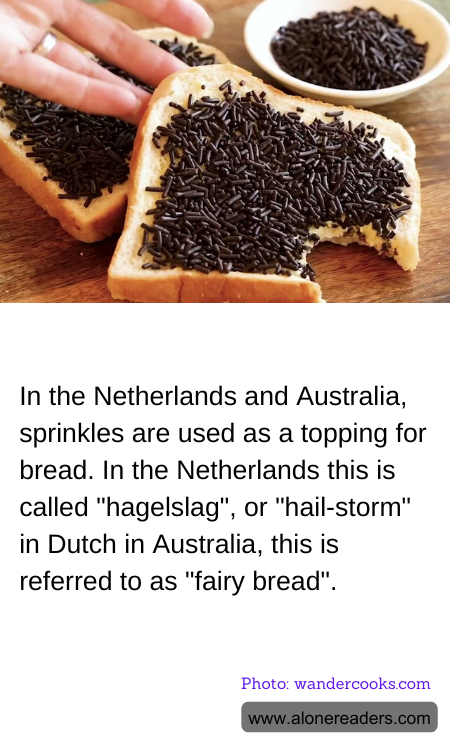
In both the Netherlands and Australia, the simple act of dressing up bread with sprinkles has become a delightful and beloved tradition, yet each country has its unique twist on this sweet treat. In the Netherlands, the sprinkle-covered bread is known as "hagelslag," which translates to "hailstorm." This name intriguingly reflects the appearance of the chocolate or fruit-flavored sprinkles generously showered over buttered bread, mimicking a storm of hail. Introduced in the early 20th century, hagelslag has since become a popular breakfast and treat option, deeply embedded in Dutch culinary culture. The Dutch take their hagelslag seriously, and it comes in a variety of flavors, with chocolate being the most popular. These are not just any sprinkles; they must contain at least 32% cocoa to be considered real hagelslag.
Meanwhile, in Australia, a similar concept exists but with a festive name, "fairy bread." This delightful concoction is typically reserved for children's birthday parties and is made by buttering white bread and then sprinkling it with hundreds and thousands (small, round, colored nonpareils). The result is a colorful, fun treat that adds a magical touch to any celebration. Fairy bread is believed to have originated from the 1920s and has maintained its popularity as a party staple across generations of Australians.
While both these treats incorporate the simple idea of using sprinkles on bread, they reflect their respective cultures and occasions. Hagelslag is a more everyday fare, available in a variety of sophisticated flavors suited to adult palates as well as children’s, and enjoyed widely across all age groups. Fairy bread, on the other hand, is more niched to joyous occasions and largely appeals to the younger crowd. Despite these differences, both hagelslag and fairy bread showcase how a simple ingredient like sprinkles can be transformed into an iconic cultural symbol through unique and cherished culinary traditions.
