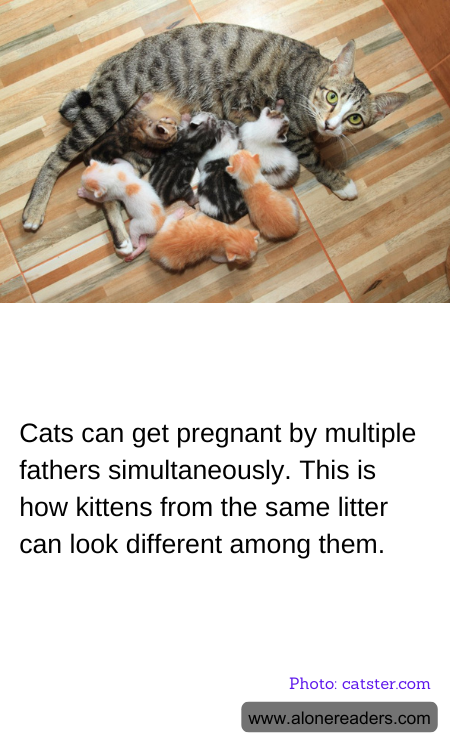
Cats, particularly domestic felines, exhibit a fascinating reproductive phenomenon where a single litter of kittens can have multiple fathers. This occurrence is due to a process called superfecundation, which is common in many multi-ovulate animals, including cats. Superfecundation happens when a female cat in heat mates with more than one male during her fertile period. Since cats can ovulate multiple eggs over several days, each mating can potentially lead to fertilization by different males.
This biological capability ensures genetic diversity within a litter and can be particularly noticeable in litters where the kittens vary drastically in color, pattern, and even size. This genetic variety can make each kitten unique in its right, though they share the same mother.
The mating system of cats, known as polyestrous, means they can go into heat several times a year, especially if they are not pregnant. A female cat’s heat cycle can attract multiple male suitors, and because the heat can last from several days to a week, the opportunity for superfecundation is significant. During this period, a female might mate numerous times with different males, who, drawn by pheromones and the vocalizations of the female in estrus, are often compelled to compete for mating rights.
This reproductive strategy can be advantageous from a natural selection standpoint. It increases genetic variability, which can enhance the survival rates of offspring by broadening their potential adaptations to environmental challenges. Also, receiving genes from multiple fathers allows for a stronger immune system due to the greater variety of immune system genes.
However, this can also lead to some complexities in predicting the traits of kittens, particularly in pet breeding contexts where lineage, traits, and characteristics might be aimed to meet specific standards. For pet owners and breeders, understanding this aspect of cat reproduction can be crucial for managing breed lines or addressing the health needs of potentially genetically diverse litters.
In conclusion, the ability of cats to have kittens with multiple fathers in the same litter is a remarkable example of nature’s complexity and diversity. Not only does it make each litter a unique genetic mosaic but it also serves as a strategy for increased survival adaptability in the ever-changing natural world.
