More About This Card
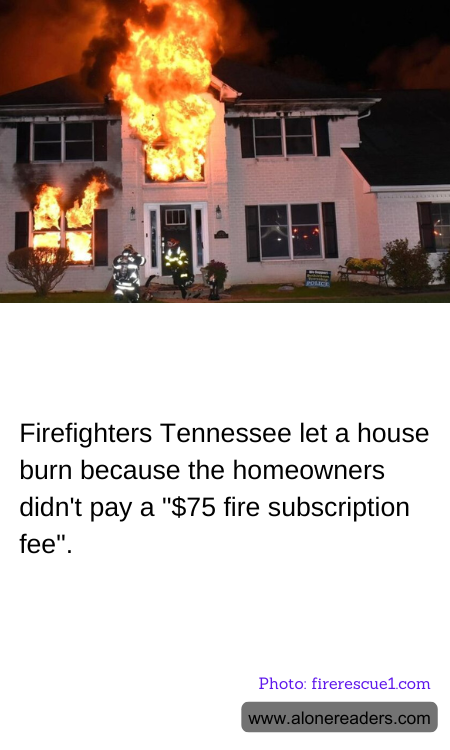
In a controversial incident that underscores the complexities of funding public services, firefighters in South Fulton, Tennessee, allowed a house to burn down because the homeowners had not paid a $75 annual subscription fee for fire protection services. This scenario has sparked a nationwide debate about the ethics and practicalities of pay-for-service emergency responses.
The incident occurred when the Cranick family’s home caught fire and despite their calls for help, the South Fulton Fire Department did not intervene. The fire subscription fee in question is levied by the city and is meant to cover fire services for rural residents who live outside the main city limits. In South Fulton and some other rural areas, municipal fire services are not covered by general taxes as they typically are in urban centers. Instead, these services depend on subscription fees to fund their operations, including maintenance of equipment and training.
Critics argue this model treats essential emergency services as commodities rather than basic human rights, potentially putting lives and properties at risk over relatively small sums of money. It points to a deeper issue in the U.S. about the variations in how emergency services are funded, and whether citizens, particularly in less densely populated areas, can or should rely on subscription-based models for critical services.
Defenders of the subscription fee model claim it ensures that those who directly benefit from the services pay for them, which can relieve the tax burden on the broader community, especially in areas with low population density or strained municipal budgets. They contend that without such fees, it might be impossible to provide services at all in certain rural areas.
The incident led to further discussions about potential reforms, including compulsory inclusion of all residents in the fire protection district with automatic fees, a blended financing model combining fees with broader tax funds, or state-level interventions to standardize how emergency services are funded and dispatched. Yet, the debate continues with no easy resolution in sight, reflecting broader national conversations about the balance between fiscal responsibility and ensuring equal access to life-saving public services.