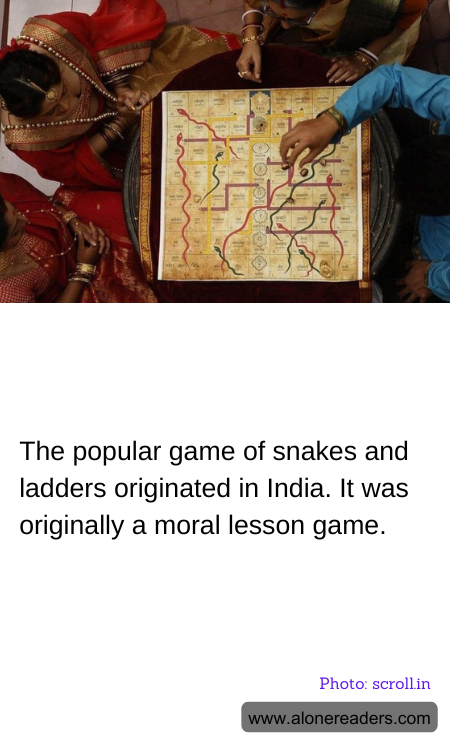
Snakes and Ladders, a board game known and loved around the world, originally hailed from ancient India where it was not merely a game but a medium to teach moral values. Known as Moksha Patam, the game was a part of a broader tradition of teaching tools that combined entertainment with philosophy. The gameplay, centered around the concepts of karma and kismet (fate), was designed to illustrate the effects of good deeds versus bad deeds on one's journey through life.
The format of the game was simple yet profound. The board was covered in numbered, gridded squares. Some of these squares had ladders, which represented virtues such as generosity, faith, and humility, and allowed the player to ascend higher. Conversely, the snakes represented vices such as theft, anger, and murder, pulling the players down. The ultimate goal was to reach the highest square, symbolizing spiritual enlightenment or liberation (Moksha), thus escaping the cycle of rebirth, which is a fundamental concept in Hinduism.
The game was initially used as a pedagogical tool to teach children about the effects of good and bad, making the moral lessons involved tangible and practical. The emphasis was not just on the destination but also on the journey, mirroring the ups and downs in a human life according to one’s actions (Karma).
British colonialists in the 19th century took the game back to England, from where it spread to the rest of the Western world. Over time, it underwent various modifications, becoming secularized and simplified into the version widely known today as Snakes and Ladders. In this adaptation, much of the game's original philosophical and moral framework was stripped away, transforming it into a more generic game based largely on luck, and reflecting a more modern worldview where life is seen more as a game of chance.
Today, while the underlying moral narratives of the original game might not be as prominent, Snakes and Ladders remains popular, engaging players across different ages. It's a nostalgic part of childhoods across the globe, with each game promising a mix of drama, excitement, and the whimsical hand of fate, elements that perhaps echo its philosophical roots more than players realize. The game serves as a reminder of its rich heritage, and the profound truths about human life and destinies that it once sought to impart.
