More About This Card
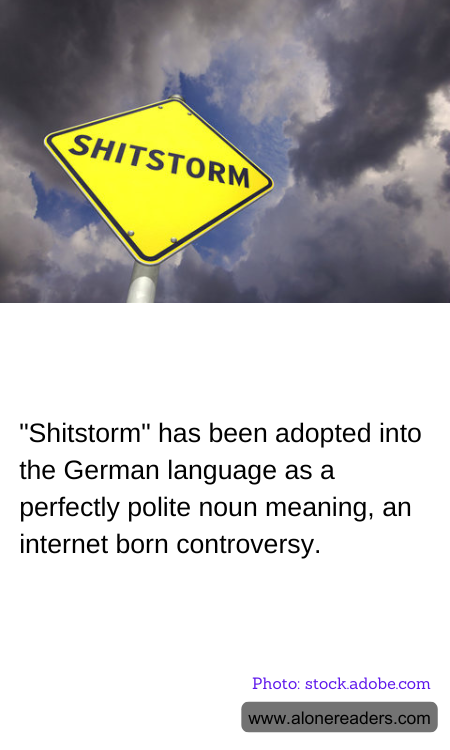
In the realm of linguistic evolution, few phenomena showcase the adaptability and dynamism of language as the adoption of the term "shitstorm" into the German lexicon. Originally an English slang term denoting a chaotic or controversial situation, "shitstorm" has been enthusiastically embraced by German speakers, albeit with a slightly more refined connotation. In Germany, the term specifically refers to an internet-born controversy, capturing the essence of digital uproar and the frenzied discourse that often ensues online.
This integration highlights the global influence of internet culture on language and the ways in which non-English speaking communities adopt and adapt English words to fit new cultural contexts. In German, "shitstorm" is used to describe a widespread public backlash or scandal, particularly one that explodes on social media and online forums, involving intense debates, criticism, or backlash against individuals, companies, or even governments.
The adaptation of "shitstorm" into German goes beyond mere borrowing; it signifies a nuanced understanding and acceptance of the term within a specific cultural boundary. This phenomenon is a testament to the powerful role of digital communication in shaping contemporary language and discourse. As people increasingly look to the internet as a primary source of information and a platform for public debate, terms like "shitstorm" become pivotal in encapsulating complex ideas succinctly.
Moreover, the acceptance of "shitstorm" into polite German speech reflects broader trends in global communication, where the rapid dissemination of ideas across linguistic and cultural borders necessitates the expansion of lexicons. Languages are thus becoming more inclusive of diversified ways of expression, accommodating new realities and technologies. This linguistic evolution driven by digital culture not only enriches a language but also challenges speakers to engage with global issues in new and more informed ways. The story of "shitstorm" in the German language is just one of many examples of how languages are continually transformed by the pressures and opportunities of a connected world.