More About This Card
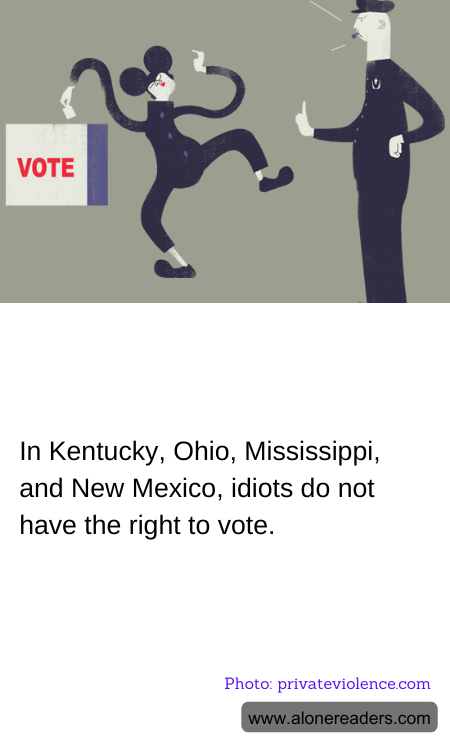
In the United States, the right to vote is generally considered fundamental, protected by numerous amendments and laws at the federal level. However, historical and legal nuances at the state level can vary significantly. For example, in states such as Kentucky, Ohio, Mississippi, and New Mexico, archaic language exists within their constitutions or statutes regarding the disenfranchisement of individuals deemed "idiots." This term, historically used in legal contexts, typically referred to individuals with certain mental disabilities or impairments.
It's important to note that the use of such terminology and its legal implications has evolved. Originally, these laws were likely intended to prevent individuals who were unable to make informed decisions due to severe mental incapacities from influencing political processes. However, the contemporary understanding and interpretation of these provisions have greatly changed, especially in light of modern views on disability rights and inclusivity.
The language persists in some state constitutions not because it is actively enforced, but because amending a constitution is a complex legal process that requires significant legislative action and, in many cases, voter approval. In practice, these outdated terms are overshadowed by federal laws and regulations, such as the Americans with Disabilities Act (ADA) and the Voting Rights Act, which protect the rights of individuals with disabilities, including those with mental impairments, ensuring their right to vote.
Furthermore, the terminology has been under scrutiny for its pejorative connotation and the potential for discriminatory application. Advocacy groups and legal scholars often push for the modernization of state constitutions to reflect current understandings and respect for individuals with disabilities, urging states to remove such outdated and offensive language.
The continued presence of these terms in some state legal documents does not generally affect the practical application of the law today, where the focus is more inclusively on ensuring all citizens have the ability and right to vote, regardless of physical or mental disability. Nonetheless, these artifacts of past attitudes towards mental health provide a stark reminder of the evolution of societal views and legal frameworks concerning disability rights and the importance of ongoing legal reform.