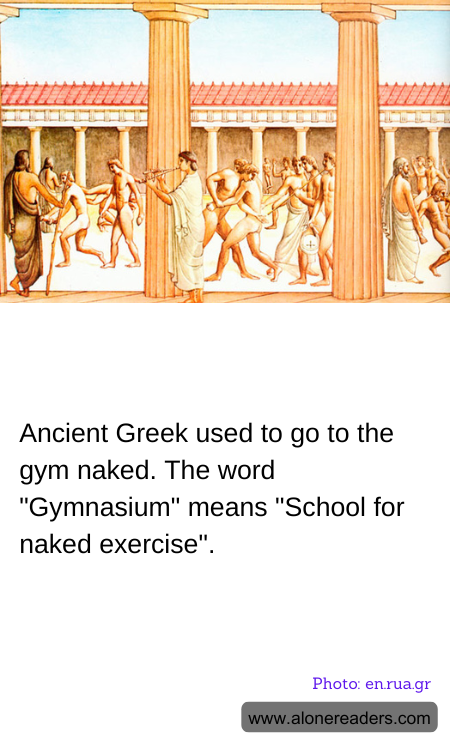
In Ancient Greece, physical fitness was highly valued, not just for its benefits to health but also as an essential facet of preparing young men for war and citizenship. This is vividly illustrated by the practices surrounding the ancient gymnasium, the training ground for athletes and a hub for community life in Greek cities. The word ‘gymnasium’ itself derives from the Greek word 'gymnos', meaning 'naked'. This etymology reflects the practice of exercising without clothes, which was typical in these institutions.
The tradition of exercising naked was rooted in several practical and cultural reasons. Practically, the hot Mediterranean climate made it uncomfortable to engage in strenuous activity while clothed. Culturally, the human body was celebrated in Greek society, not only for its beauty but also as a symbol of civic virtue and discipline. The gymnasium was more than just a place for physical exercise; it was also a training facility where young citizens were educated in philosophy, arts, and science under the mentorship of philosophers, scientists, and other scholars.
The layout of the gymnasium was designed to cater to both the physical and intellectual education of its users. Facilities typically included a main hall for physical activities, a stadium, and separate areas for baths and lectures. The practice of nudity in such a setting also emphasized the democratic ethos of Ancient Greek society, symbolically stripping away social distinctions among those gathered.
This tradition influenced not only the way sports were conducted but also impacted Greek art and culture, encouraging a celebration of the human form. Much of the Greek sculpture and artwork that survives today reflects this admiration and idealization of the naked human body, notably in the depiction of athletes and mythological figures.
