More About This Card
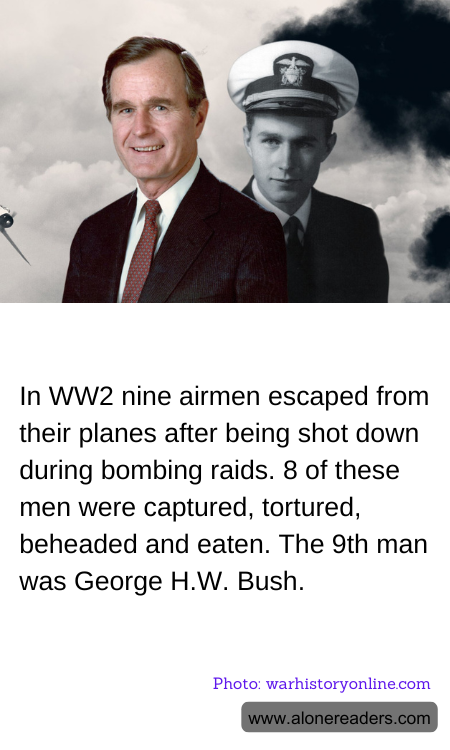
During World War II, the air war over the Pacific was particularly brutal, with countless acts of both heroism and horror unfolding above and on the islands below. Among the numerous stories of survival and loss is the harrowing experience of nine American airmen, including future U.S. President George H.W. Bush. These men were involved in separate incidents but shared the dire fate of being shot down during bombing raids against Japanese-held targets.
George H.W. Bush, then a young naval aviator, was piloting a Grumman TBM Avenger bomber when his squadron was tasked with attacking Japanese installations on the island of Chichi-jima. During the mission on September 2, 1944, Bush’s aircraft was hit by anti-aircraft fire. Despite the damage, Bush managed to release his bombs over the target, but the flaming aircraft was soon uncontrollable. Bush and two crew members bailed out; tragically, he was the only one to survive. Rescued by a U.S. Navy submarine, Bush later attributed this moment as a pivotal event that shaped his perspective on duty and service.
The fate of the other eight airmen was starkly different and harrowing. Captured by Japanese forces, they underwent severe torture. In a particularly gruesome breach of the laws of war, these men were not only executed but were also subjected to cannibalism by their captors. Japanese officers involved justified their actions under the extreme circumstances of supply shortages, though this was no excuse for their breach of international law and human decency.
The grim fate of these men came to light during subsequent war crimes trials where several Japanese officers stationed on Chichi-jima were charged and found guilty. These events, while horrifying, underscore the profound savagery of Pacific warfare and highlight the stark contrast between Bush’s fortunate rescue and the tragic end of his fellow servicemen.
This episode remains a lesser-known but stark example of the perilous nature of World War II’s air battles and the random fortunes of war that could mean life or death for servicemen. George Bush’s narrow escape and the tragic fate of his comrades is a poignant reminder of the sacrifices made by those who serve, and the depths of brutality that can emerge in warfare. It highlights not only the personal bravery of young men like Bush but also serves as a somber reflection on the horrors of war that extended well beyond the battlefield.