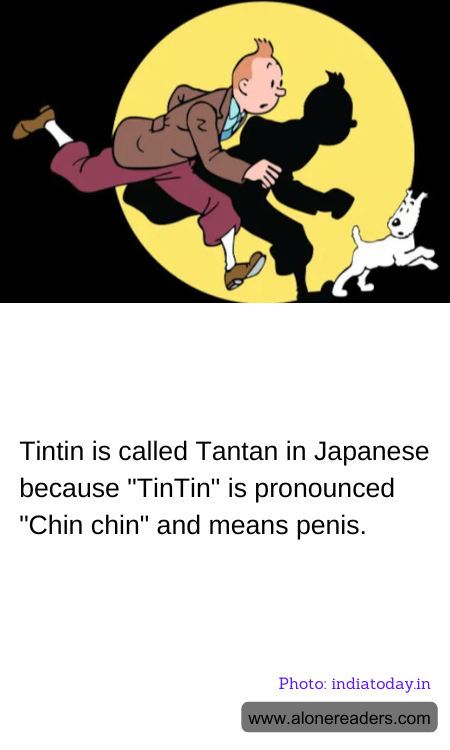
The beloved comic book character Tintin, created by Belgian cartoonist Hergé, underwent a name change when introduced to the Japanese market, becoming known as Tantan. This alteration was not merely a whimsical rebranding but a necessary cultural adaptation. In Japanese, the name "Tintin" phonetically translates to "Chin chin", a colloquial and somewhat vulgar term for penis. Given the popularity and wholesome nature of the Tintin series, such a connotation was undesirable in the context of children's literature and broad audience appeal.
To avoid any inappropriate associations and maintain the integrity of the series, the name was adjusted to Tantan, which carries no such connotations. This change is reflective of the often intricate process of cultural localization—adapting content to fit cultural norms and sensitivities of different regions. Localization involves more than just translating text; it necessitates a deeper understanding of local customs, slang, and societal values.
Name changes like these are common in global media, from books and films to television shows and video games, ensuring that the content is appropriate and respectful while keeping the original sentiment and meaning intact as much as possible. Thus, Tantan continues to embark on adventures, solve mysteries, and entertain readers just as Tintin does, albeit under a different name in Japan. This adaptability has been crucial in enabling the iconic character of Tintin to transcend cultural and linguistic boundaries, becoming a global phenomenon.
