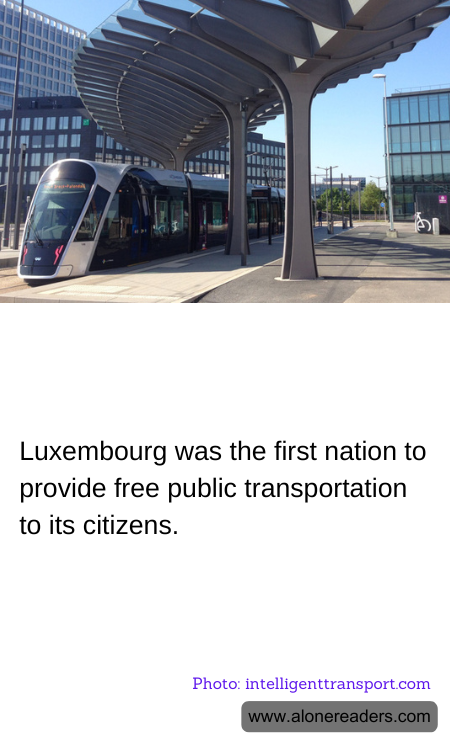
In March 2020, Luxembourg made headlines around the world by becoming the first country to offer free public transportation to its citizens. This landmark move was part of a broader environmental and social initiative aimed at reducing congestion, pollution, and socioeconomic disparity. Situated in the heart of Europe, Luxembourg is one of the smallest countries on the continent, yet it experiences some of the worst traffic congestion due to its high number of cross-border workers commuting from neighboring countries like France, Belgium, and Germany.
The decision to eliminate fares was driven by the dual desire to encourage more people to use public transit and to make mobility more affordable for all residents. Prior to this initiative, transportation costs accounted for a significant portion of monthly expenses for many of Luxembourg’s inhabitants. By making trains, trams, and buses free, the government aimed to ease financial pressures on individuals and families while also promoting a shift towards more sustainable modes of transport.
Implementing free public transportation has posed challenges, including the need to manage increased ridership and maintain high service standards. The government has been working on expanding and upgrading its transport network to accommodate the growth in users and ensure that the system remains efficient and reliable. In addition, there have been discussions about how to optimize routes and schedules to better serve a more diverse group of passengers.
Luxembourg’s initiative has sparked interest worldwide, with cities and countries keen to understand the impacts of such a policy on traffic, environmental pollution, and public welfare. While it is too early to fully assess the long-term effects, initial observations suggest positive changes in commuter habits and public attitudes towards public transport.
If successful, Luxembourg’s model could serve as a blueprint for other nations considering similar measures. It highlights the potential of innovative transportation policies in making cities more livable and environmentally friendly, underscoring the role of public services in shaping modern societies. The move is a testament to the country’s commitment to progressive and sustainable practices, providing valuable insights into the interplay between transportation policy, environmental concerns, and social equality.
