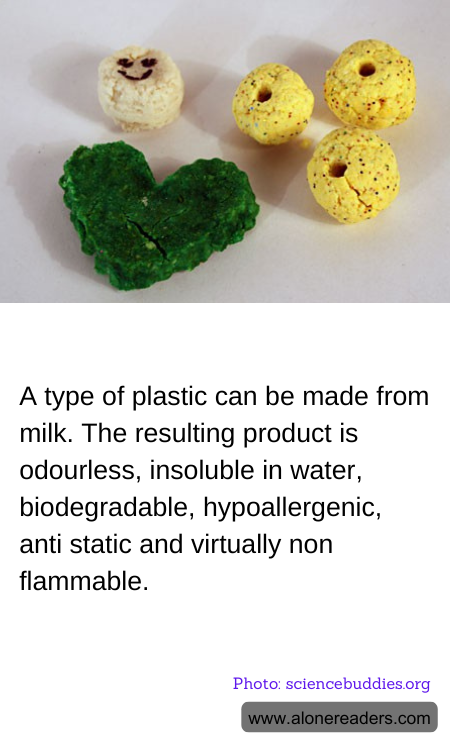
In a world increasingly concerned with sustainability and environmental impact, the discovery of innovative materials is more crucial than ever. One such innovation is a type of plastic derived from an unlikely source: milk. This remarkable material, known as casein plastic, offers a range of benefits that make it an attractive alternative to traditional petroleum-based plastics.
Casein plastic is created from casein, a protein found in milk. The process of transforming milk into plastic begins with the separation of casein from the milk, typically through the addition of an acid such as vinegar. This causes the milk to curdle, allowing the casein to be extracted. Once isolated, the casein is dried and treated with formaldehyde to create a hard, durable plastic. This method of production has been known since the early 20th century, but it is gaining renewed interest due to its eco-friendly properties.
One of the most appealing aspects of casein plastic is its environmental benefits. Unlike conventional plastics, which can take hundreds of years to decompose, casein plastic is biodegradable. This means it can break down naturally over time, reducing the burden on landfills and minimizing its impact on the environment. Additionally, casein plastic is odourless and insoluble in water, making it suitable for a variety of applications without the risk of leaching harmful substances into the environment.
Beyond its environmental advantages, casein plastic is also hypoallergenic and anti-static. These properties make it an excellent choice for products that come into direct contact with the skin, such as buttons, jewelry, and even certain medical devices. The hypoallergenic nature of casein plastic ensures that it is unlikely to cause allergic reactions, while its anti-static properties prevent the buildup of static electricity, which can be a nuisance in many everyday items.
Another notable characteristic of casein plastic is its resistance to fire. It is virtually non-flammable, which enhances its safety profile compared to many other types of plastic. This makes it a suitable material for use in products where fire resistance is a critical consideration, such as electrical components and household items.
The resurgence of interest in casein plastic is a testament to the growing demand for sustainable materials. As consumers become more environmentally conscious, the market for eco-friendly alternatives continues to expand. Casein plastic, with its unique combination of properties, represents a promising option for reducing our reliance on traditional plastics and moving towards a more sustainable future.
In conclusion, the development of plastic from milk is a fascinating example of how natural resources can be harnessed to create innovative and environmentally friendly materials. With its biodegradability, hypoallergenic nature, and fire resistance, casein plastic offers a compelling alternative to conventional plastics. As research and development in this area continue, we may see an increasing number of products made from this versatile and sustainable material, contributing to a cleaner and greener planet.
