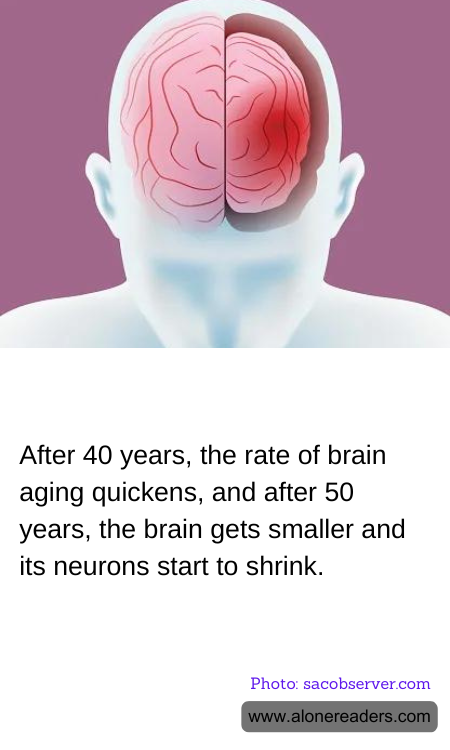
As we journey through life, our bodies undergo a myriad of changes, and the brain is no exception. Recent studies have highlighted that after the age of 40, the rate of brain aging accelerates, and by the time we reach 50, the brain not only begins to shrink but also experiences a reduction in the size of its neurons. Understanding these changes is crucial for maintaining cognitive health and ensuring a high quality of life as we age.
The brain is an incredibly complex organ, responsible for everything from regulating bodily functions to enabling thought and memory. However, like all parts of the body, it is subject to the effects of aging. After 40, the brain's aging process speeds up, which can lead to a gradual decline in cognitive abilities. This acceleration is partly due to a decrease in the production of certain hormones and neurotransmitters that are vital for brain function. Additionally, the accumulation of oxidative stress and inflammation over the years can further exacerbate the aging process, affecting memory, attention, and problem-solving skills.
By the age of 50, more noticeable changes occur. The brain begins to shrink, a process known as brain atrophy. This shrinkage is primarily due to the loss of neurons and the reduction in the size of the remaining ones. Neurons, the brain's nerve cells, are essential for transmitting information throughout the body. As they shrink, their ability to communicate effectively diminishes, potentially leading to slower processing speeds and difficulties in learning new information. While these changes are a natural part of aging, they can vary significantly among individuals, influenced by genetics, lifestyle, and overall health.
Despite these inevitable changes, there are ways to support brain health and potentially slow down the aging process. Engaging in regular physical exercise has been shown to promote neurogenesis, the formation of new neurons, and improve blood flow to the brain. A balanced diet rich in antioxidants, omega-3 fatty acids, and vitamins can also help protect the brain from oxidative damage. Additionally, mental exercises, such as puzzles, reading, and learning new skills, can stimulate the brain and enhance cognitive reserve, which may delay the onset of age-related cognitive decline.
Social interaction and maintaining strong relationships have also been linked to better brain health. Engaging with others can provide emotional support and mental stimulation, both of which are beneficial for cognitive function. Moreover, managing stress through mindfulness practices, such as meditation and yoga, can reduce the negative impact of stress hormones on the brain.
In conclusion, while the acceleration of brain aging after 40 and the subsequent shrinkage and neuron reduction after 50 are natural processes, they are not entirely beyond our control. By adopting a healthy lifestyle and staying mentally and socially active, we can support our brain health and maintain cognitive function well into our later years. Understanding these changes empowers us to take proactive steps towards a healthier, more fulfilling life as we age.
