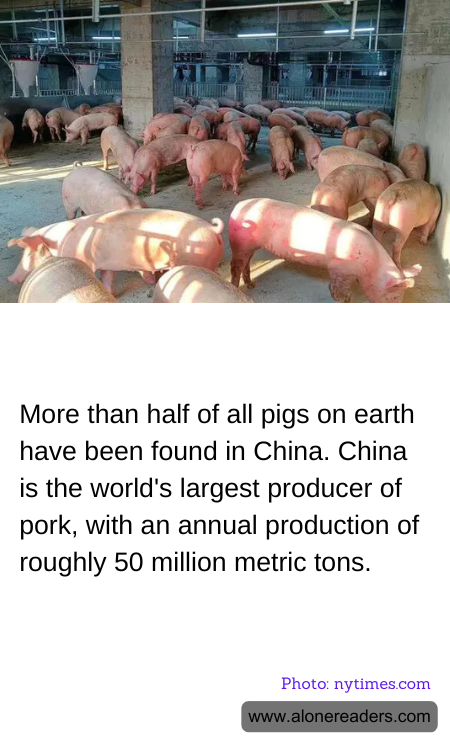
China's dominance in the global pork industry is a testament to its vast agricultural capabilities and cultural preferences. With more than half of the world's pig population residing within its borders, China stands as the largest producer of pork, churning out approximately 50 million metric tons annually. This staggering figure underscores the country's pivotal role in meeting both domestic and international demand for pork, a staple protein source in many diets.
The prominence of pork in Chinese cuisine is deeply rooted in the nation's history and culture. Pork is not just a dietary preference but a symbol of prosperity and abundance. Dishes like sweet and sour pork, char siu, and dumplings filled with minced pork are integral to Chinese culinary traditions. This cultural affinity has driven the country's agricultural policies and practices to focus heavily on pig farming, ensuring a steady supply to satisfy the appetites of over a billion people.
China's pig farming industry is a complex and highly organized sector, characterized by both large-scale industrial operations and small family-run farms. The government has invested significantly in modernizing this industry, implementing advanced breeding techniques and improving feed quality to boost productivity. These efforts have not only increased pork production but also enhanced the quality of the meat, making it more appealing to both local and international markets.
However, the concentration of such a large pig population in one country presents unique challenges. Disease outbreaks, such as the African swine fever, have periodically devastated pig populations, leading to significant economic losses and disruptions in the supply chain. The Chinese government has responded with stringent biosecurity measures and increased research into disease prevention and control to safeguard this vital industry.
Moreover, the environmental impact of large-scale pig farming cannot be overlooked. The industry is a significant contributor to greenhouse gas emissions and water pollution. In response, China is increasingly adopting sustainable farming practices, such as waste recycling and the use of biogas technology, to mitigate these environmental concerns.
China's position as the world's largest pork producer is not just a reflection of its agricultural prowess but also a testament to its ability to adapt and innovate in the face of challenges. As global demand for pork continues to rise, China's role in the industry will likely expand, influencing global pork prices and trade dynamics. The country's commitment to improving its farming practices and addressing environmental and health challenges will be crucial in maintaining its leadership in the global pork market.
