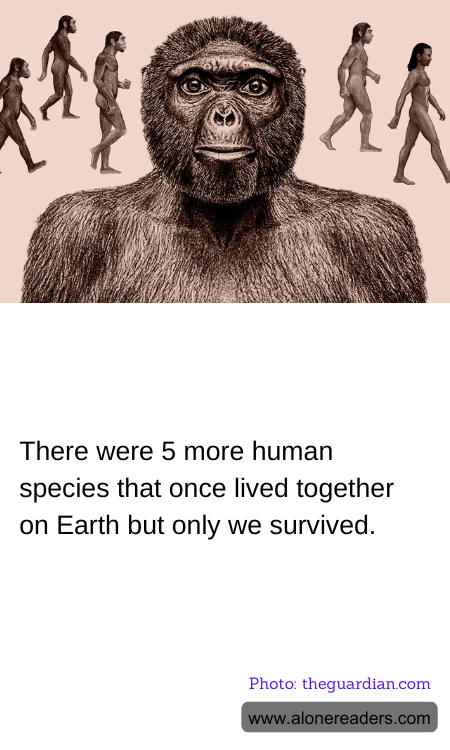
In the grand tapestry of Earth's history, the story of human evolution is a fascinating chapter filled with mystery, survival, and adaptation. While today Homo sapiens stand as the sole representatives of the human lineage, this was not always the case. At various points in prehistory, multiple human species coexisted, sharing the planet and sometimes even the same habitats. This diverse family tree of humanity included at least five other species, each with unique adaptations and characteristics.
One of the most well-known of these species is the Neanderthals, or Homo neanderthalensis. They inhabited Europe and parts of Asia for hundreds of thousands of years. Neanderthals were robust and well-adapted to cold climates, with a stocky build and a large brain. They crafted sophisticated tools, created art, and even buried their dead, indicating a complex social structure. Despite their capabilities, Neanderthals disappeared around 40,000 years ago, possibly due to competition with Homo sapiens, climate change, or a combination of factors.
Another intriguing species is the Denisovans, identified primarily through genetic evidence and a few fossil remains found in Siberia. Denisovans are believed to have lived in Asia and interbred with both Neanderthals and modern humans. Their genetic legacy persists today, particularly among indigenous populations in Australia and Southeast Asia, highlighting the interconnectedness of these ancient human groups.
Homo erectus, one of the longest-surviving human species, roamed the Earth for nearly two million years. They were the first to use fire and create more advanced tools, paving the way for future human innovations. Their ability to adapt to diverse environments allowed them to spread from Africa to Asia, leaving a lasting impact on the evolutionary path of humanity.
The diminutive Homo floresiensis, often referred to as "hobbits," lived on the Indonesian island of Flores. Standing at just over a meter tall, these small-statured humans thrived in isolation until about 50,000 years ago. Their discovery challenged previous notions about human evolution, suggesting that our ancestors were capable of remarkable diversity in size and form.
Lastly, Homo heidelbergensis, a species that lived in Africa and Europe, is considered a common ancestor of both Neanderthals and modern humans. They exhibited advanced hunting skills and social behaviors, which likely contributed to their success during their time on Earth.
The reasons why Homo sapiens emerged as the sole survivors of this once-diverse human family are complex and multifaceted. Our species' ability to adapt to changing environments, develop advanced tools and language, and form large, cooperative social groups likely played crucial roles. Additionally, interbreeding with other species may have provided genetic advantages that helped us thrive.
The coexistence of multiple human species is a testament to the rich and varied history of our planet. As we continue to uncover more about our ancient relatives, we gain a deeper understanding of what it means to be human and the remarkable journey that has led us to where we are today.
