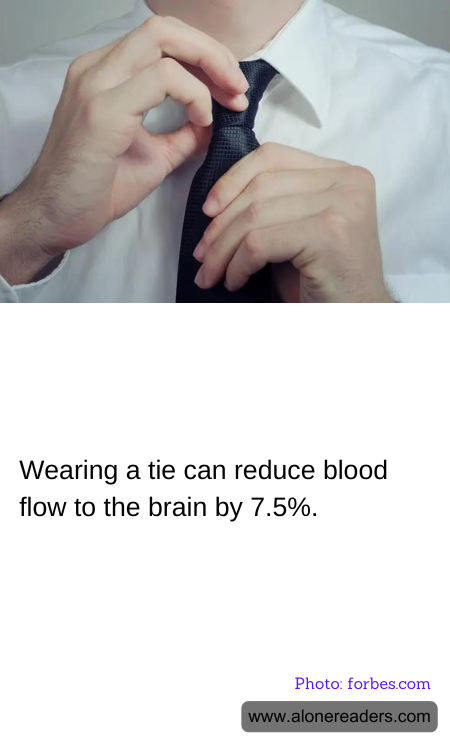
In recent years, the traditional necktie has come under scrutiny not just as a fashion statement but also for its potential health implications. A study has suggested that wearing a tie can reduce blood flow to the brain by up to 7.5%. This revelation has sparked discussions about the balance between style and health, prompting many to reconsider their wardrobe choices.
The necktie, a staple in professional attire, is often associated with formality and sophistication. However, its snug fit around the neck can lead to a constriction of the veins and arteries that supply blood to the brain. The study in question utilized advanced imaging techniques to measure cerebral blood flow in individuals wearing ties compared to those without. The results indicated a noticeable decrease in blood flow, raising concerns about the potential long-term effects of this common accessory.
Reduced blood flow to the brain can have several implications. While a 7.5% reduction might seem minor, it could contribute to headaches, dizziness, and impaired cognitive function, especially if experienced regularly over extended periods. For individuals already at risk of vascular issues, such as those with high blood pressure or a history of stroke, the added pressure from a tight tie could exacerbate these conditions.
This information has led to a growing movement advocating for more relaxed dress codes in professional environments. Many companies are beginning to adopt a more casual approach, allowing employees to forgo ties in favor of comfort and health. This shift not only promotes well-being but also reflects a broader trend towards prioritizing employee satisfaction and productivity.
However, for those who still wish to wear ties, there are ways to mitigate the potential risks. Choosing ties made from softer, more flexible materials can reduce constriction. Additionally, ensuring that the tie is not tied too tightly and allowing for a finger's width of space between the neck and the collar can help maintain adequate blood flow.
Ultimately, the decision to wear a tie should be a personal one, informed by both style preferences and health considerations. As awareness of the potential impacts of tight neckwear grows, it is likely that both individuals and organizations will continue to adapt, finding new ways to balance tradition with modern health insights. Whether forgoing the tie altogether or simply loosening it a bit, the key is to prioritize comfort and well-being without compromising on personal or professional style.
