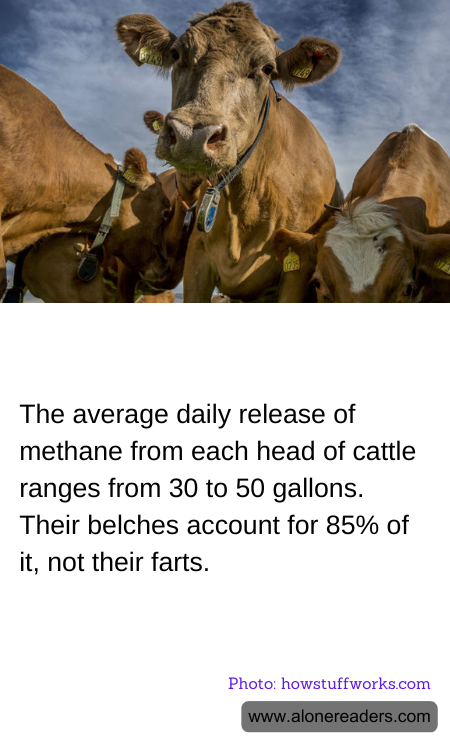
Methane emissions from cattle have become a significant topic of discussion in the context of climate change and environmental sustainability. On average, each head of cattle releases between 30 to 50 gallons of methane daily. Surprisingly, the majority of this methane—about 85%—is emitted through belching rather than flatulence, which is a common misconception.
Methane is a potent greenhouse gas, with a much greater capacity to trap heat in the atmosphere than carbon dioxide, albeit for a shorter duration. This makes the methane emissions from cattle a critical environmental concern. The process of digestion in cattle, known as enteric fermentation, is primarily responsible for these emissions. Cattle, being ruminants, have a unique digestive system that includes a specialized stomach compartment called the rumen. Here, microbes break down food, producing methane as a byproduct, which is then expelled mostly through belching.
The scale of methane emissions from cattle is significant due to the sheer number of cattle worldwide, driven by the demand for beef and dairy products. This has prompted researchers and environmentalists to explore various strategies to mitigate these emissions. Innovations in cattle feed, such as the inclusion of seaweed or other additives, have shown promise in reducing methane production during digestion. Additionally, breeding programs aimed at selecting cattle with naturally lower methane emissions are also being considered.
Public awareness and education play a crucial role in addressing this issue. By understanding the source and impact of methane emissions from cattle, consumers can make informed choices about their dietary habits and support sustainable agricultural practices. Moreover, policies and regulations that encourage sustainable farming practices and research into methane reduction technologies are essential for long-term environmental benefits.
While the challenge of reducing methane emissions from cattle is complex, it also presents an opportunity for innovation and collaboration across various sectors. By addressing this issue, we can make significant strides toward reducing the agricultural sector's impact on climate change, ultimately contributing to a healthier planet for future generations.
