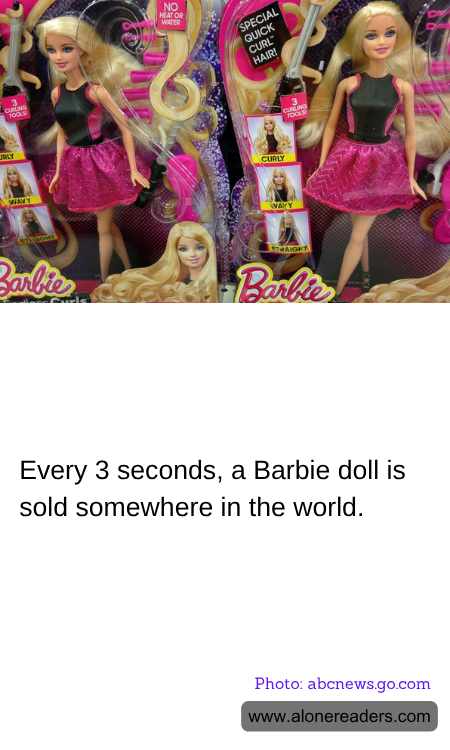
In the world of toys, few names are as iconic as Barbie. Since her debut in 1959, Barbie has become more than just a doll; she is a cultural phenomenon. Astonishingly, every three seconds, a Barbie doll is sold somewhere in the world. This statistic not only highlights the enduring popularity of Barbie but also underscores her significant impact on generations of children and the toy industry at large.
Barbie's success can be attributed to her ability to evolve with the times. Over the decades, she has transformed from a simple fashion doll into a symbol of empowerment and diversity. Mattel, the company behind Barbie, has continually updated her image to reflect societal changes and embrace inclusivity. Today, Barbie dolls come in a variety of skin tones, body types, and professions, allowing children to see themselves and their aspirations in their toys. This commitment to representation has helped Barbie remain relevant in a rapidly changing world.
Beyond her physical appearance, Barbie has also been a vehicle for storytelling and imagination. Through countless playsets, movies, and books, Barbie has taken on roles as varied as astronaut, doctor, and president. These narratives encourage children to dream big and explore different possibilities for their futures. By embodying a range of careers and lifestyles, Barbie inspires young minds to break free from traditional gender roles and pursue their passions without limitations.
The global appeal of Barbie is also a testament to her universal message of self-expression and creativity. Children from diverse backgrounds can engage with Barbie in ways that resonate with their own experiences and cultures. This adaptability has allowed Barbie to transcend geographical and cultural boundaries, making her a beloved figure worldwide. The fact that a Barbie doll is sold every three seconds is a reflection of her widespread acceptance and the joy she brings to millions of children.
Despite her success, Barbie has not been without controversy. Critics have often pointed to her unrealistic body proportions and the potential impact on body image. In response, Mattel has made strides to address these concerns by introducing dolls with more realistic body shapes and promoting body positivity. These efforts demonstrate a willingness to listen to consumers and adapt to their needs, ensuring that Barbie remains a positive influence for future generations.
In conclusion, the statistic that a Barbie doll is sold every three seconds is more than just a number; it is a testament to the enduring legacy of a toy that has captured the hearts and imaginations of children for over six decades. Barbie's ability to evolve, inspire, and connect with people around the world ensures that she will continue to be a cherished companion for many years to come. As Barbie continues to adapt and grow, she remains a powerful symbol of possibility and imagination for children everywhere.
