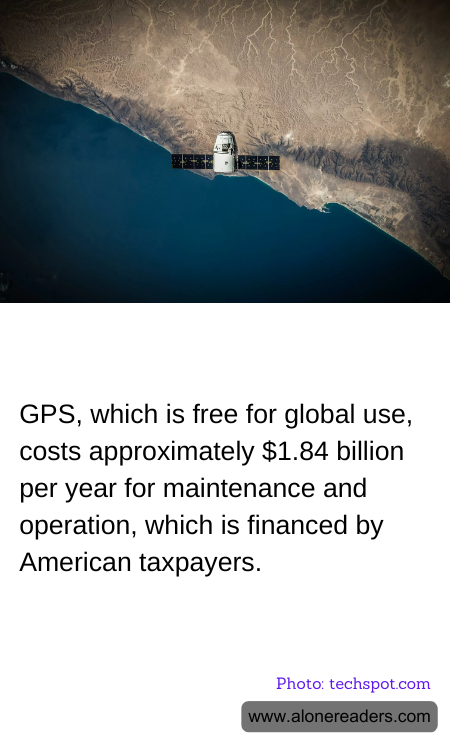
The Global Positioning System (GPS) is a marvel of modern technology that has become an integral part of daily life for millions around the world. From navigating unfamiliar roads to tracking fitness activities, GPS provides a reliable and precise means of determining location and time. What many users may not realize, however, is that this indispensable service, available for free to anyone with a GPS receiver, comes with a significant annual cost. Approximately $1.84 billion is spent each year on the maintenance and operation of the GPS infrastructure, a cost borne by American taxpayers.
The GPS system, initially developed by the United States Department of Defense, consists of a constellation of at least 24 satellites orbiting the Earth. These satellites transmit signals that allow GPS receivers to calculate their exact location. The system was made available for civilian use in the 1980s, and since then, it has revolutionized navigation and timing across various sectors, including transportation, agriculture, and emergency services.
The annual expenditure of $1.84 billion covers a range of activities essential for the smooth functioning of the GPS system. This includes the launch and maintenance of satellites, the operation of ground control stations, and the continuous upgrading of technology to ensure accuracy and reliability. The U.S. Air Force, which manages the GPS system, is responsible for these operations, ensuring that the service remains uninterrupted and available to users worldwide.
While the cost may seem substantial, the benefits of GPS extend far beyond navigation. The system plays a crucial role in global commerce, enabling precise timing for financial transactions and improving the efficiency of supply chains. In agriculture, GPS technology allows for precision farming, which increases crop yields and reduces waste. Emergency services rely on GPS for quick response times, potentially saving lives in critical situations. Moreover, the availability of free GPS has spurred innovation, leading to the development of countless applications and services that enhance everyday life.
The decision to provide GPS as a free service reflects a commitment to global cooperation and technological advancement. By absorbing the costs, the United States ensures that GPS remains a public good, accessible to anyone, anywhere. This approach has fostered international goodwill and positioned the U.S. as a leader in space-based navigation technology.
In conclusion, while the $1.84 billion annual cost of maintaining and operating the GPS system is significant, the benefits it provides are immeasurable. Funded by American taxpayers, GPS is a gift to the world, facilitating countless aspects of modern life and driving innovation across industries. As technology continues to evolve, the importance of GPS is likely to grow, underscoring the value of this investment in global infrastructure.
