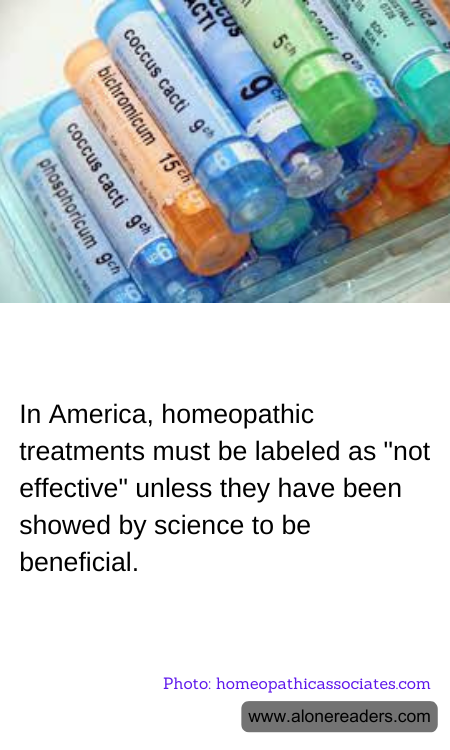
In recent years, the landscape of alternative medicine in America has undergone significant scrutiny, particularly concerning homeopathic treatments. Homeopathy, a system of alternative medicine developed in the late 18th century, is based on the principle that substances causing symptoms in a healthy person can, in diluted forms, treat similar symptoms in a sick person. Despite its historical roots and popularity among certain groups, the efficacy of homeopathic treatments has been a subject of debate within the scientific community.
In response to growing concerns about the validity and safety of these treatments, regulatory bodies in the United States have taken steps to ensure that consumers are adequately informed. The Federal Trade Commission (FTC) and the Food and Drug Administration (FDA) have both emphasized the importance of transparency in labeling homeopathic products. As a result, homeopathic treatments must now carry labels indicating that they are "not effective" unless there is scientific evidence to support their claims of benefit.
This labeling requirement aims to protect consumers from misleading information and to promote informed decision-making. Many people turn to homeopathy seeking natural remedies for various ailments, often under the impression that these treatments are inherently safe and effective. However, without scientific validation, the efficacy of these treatments remains questionable. By mandating clear labeling, regulatory agencies hope to prevent consumers from relying on unproven remedies that could delay or replace more effective conventional treatments.
The move to label homeopathic products as "not effective" unless proven otherwise is part of a broader effort to hold alternative medicine to the same standards as conventional medicine. This approach underscores the importance of evidence-based practice in healthcare, ensuring that all treatments, whether traditional or alternative, are subject to rigorous scientific evaluation. It also reflects a growing recognition of the need for consumer protection in an industry that has historically operated with minimal oversight.
While some proponents of homeopathy argue that these measures undermine their freedom to choose alternative treatments, others see it as a necessary step toward ensuring public safety. The debate highlights the ongoing tension between personal choice and regulatory oversight in healthcare. Ultimately, the goal is to strike a balance that respects individual preferences while safeguarding public health.
As the conversation around homeopathy and alternative medicine continues to evolve, it is crucial for consumers to stay informed and critically evaluate the treatments they choose. By understanding the scientific basis, or lack thereof, for homeopathic remedies, individuals can make better-informed decisions about their health and well-being. The requirement for clear labeling is a step in the right direction, fostering a more transparent and accountable healthcare environment for all.
