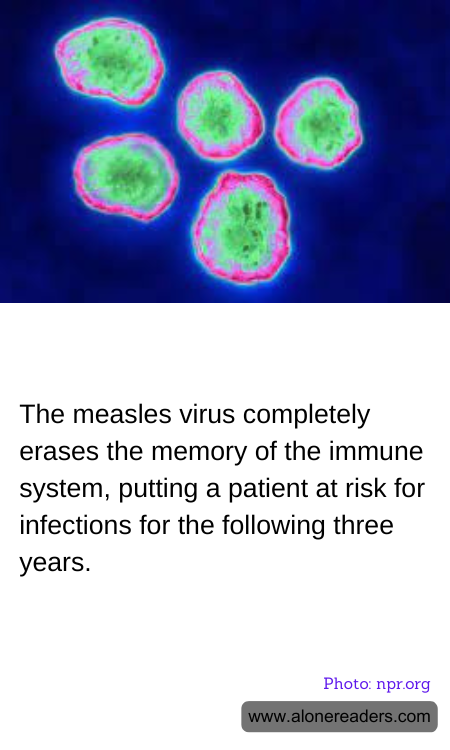
The measles virus, once considered a childhood rite of passage, has been revealed to have far more sinister implications than previously understood. Recent studies have uncovered that the virus does not merely cause a temporary illness but can also erase the immune system's memory, leaving individuals vulnerable to other infections for up to three years after recovery. This discovery underscores the critical importance of vaccination and the need for heightened awareness about the long-term effects of measles.
When a person contracts measles, the virus attacks and destroys immune cells, particularly those that have been trained to recognize and fight off pathogens. This process is known as "immune amnesia." Essentially, the immune system forgets how to combat diseases it has previously encountered. As a result, individuals who have recovered from measles may find themselves susceptible to infections they were previously immune to, such as pneumonia, influenza, and even some bacterial infections. This vulnerability can persist for several years, making the period following a measles infection particularly perilous.
The implications of immune amnesia are profound, especially for children, who are the most common victims of measles. During the critical years of immune system development, the loss of immunological memory can lead to repeated illnesses, which can have cascading effects on a child's overall health and development. This increased susceptibility to infections can also place a significant burden on healthcare systems, as more resources are required to treat preventable diseases.
Vaccination remains the most effective tool in preventing measles and its associated complications. The measles, mumps, and rubella (MMR) vaccine is highly effective, providing immunity to measles in approximately 97% of those who receive the recommended two doses. By preventing the initial infection, the vaccine also protects against the subsequent risk of immune amnesia. In communities with high vaccination rates, herd immunity can protect those who are unable to be vaccinated, such as infants and individuals with certain medical conditions.
Despite the availability of a safe and effective vaccine, measles outbreaks continue to occur, often fueled by misinformation and vaccine hesitancy. It is crucial for public health campaigns to address these misconceptions and emphasize the importance of vaccination not only for individual health but also for community well-being. Educating the public about the long-term risks associated with measles, including immune amnesia, can help encourage higher vaccination rates and prevent future outbreaks.
In conclusion, the measles virus poses a greater threat than previously understood, with the potential to compromise the immune system's memory and increase vulnerability to other infections for years. This highlights the critical need for widespread vaccination and public education to protect individuals and communities from the far-reaching consequences of this preventable disease. By prioritizing vaccination, we can safeguard public health and ensure that the legacy of measles is one of prevention rather than peril.
