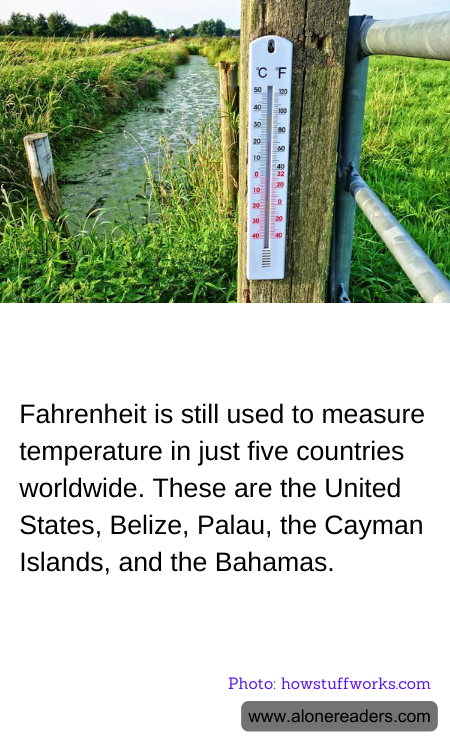
In a world where the metric system reigns supreme, the Fahrenheit scale remains a steadfast measure of temperature in just a handful of countries. While Celsius has become the global standard, the United States, Belize, Palau, the Cayman Islands, and the Bahamas continue to use Fahrenheit as their primary temperature scale. This adherence to Fahrenheit is a fascinating blend of tradition, practicality, and cultural identity.
The United States is the most prominent user of the Fahrenheit scale, a legacy of its historical roots. The system was developed by Daniel Gabriel Fahrenheit in the early 18th century and became widely adopted in the U.S. due to its European origins and the country's early scientific community. Over time, Fahrenheit became deeply embedded in American culture, influencing everything from weather forecasts to cooking temperatures. Despite the global shift towards Celsius, the U.S. has maintained its use of Fahrenheit, viewing it as a part of its national identity.
Belize, a small Central American nation, also uses Fahrenheit, a remnant of its colonial past. As a former British colony, Belize initially adopted the imperial system, which included Fahrenheit. Although the country gained independence in 1981, it retained many aspects of its colonial infrastructure, including its temperature scale. For Belizeans, Fahrenheit is not just a measure of temperature but a link to their historical narrative.
In the Pacific, Palau stands out as another country that uses Fahrenheit. This island nation, once part of the United States-administered Trust Territory of the Pacific Islands, has maintained many American influences, including the use of Fahrenheit. The scale is used in daily life and is a testament to the enduring impact of historical ties and international relationships.
The Cayman Islands and the Bahamas, both British Overseas Territories, also continue to use Fahrenheit. Their choice reflects a blend of British heritage and American influence, as both territories have strong economic and cultural ties with the United States. The use of Fahrenheit in these islands is practical, catering to the large number of American tourists who visit each year, ensuring that weather reports and other temperature-related information are easily understood.
While the global trend leans towards Celsius, the continued use of Fahrenheit in these five countries highlights the complexity of cultural and historical influences on measurement systems. It serves as a reminder that while scientific standards evolve, cultural identity and historical ties often play a significant role in shaping everyday practices. For these nations, Fahrenheit is more than just a temperature scale; it is a symbol of their unique place in the world, bridging past and present in a way that resonates with their citizens.
