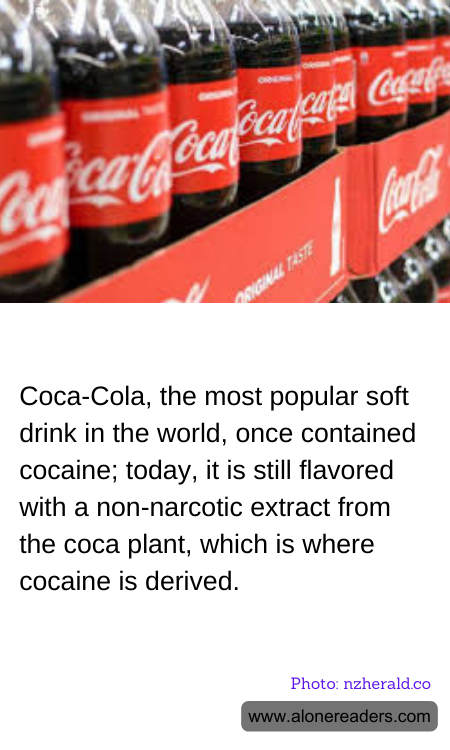
Coca-Cola, a brand synonymous with refreshment and global recognition, has a fascinating history that intertwines with the coca plant, a source of both intrigue and controversy. Originally formulated in the late 19th century by John Stith Pemberton, a pharmacist in Atlanta, Georgia, Coca-Cola was initially marketed as a medicinal tonic. Its original recipe included a small amount of cocaine, a common practice at the time, as cocaine was not yet illegal and was often used in various medicinal products.
The inclusion of cocaine in Coca-Cola was due to the use of coca leaf extracts, which were believed to have health benefits. This ingredient, combined with kola nuts, which provided caffeine, gave the drink its name and its initial stimulating properties. However, as the understanding of cocaine's addictive nature and potential for harm grew, public perception shifted. By 1904, Coca-Cola had begun to remove cocaine from its formula, and by 1929, the company had developed a process to extract the cocaine alkaloid from the coca leaves, ensuring the beverage was free from narcotic effects.
Today, Coca-Cola continues to use a non-narcotic extract from the coca plant, maintaining a link to its historical roots while ensuring the safety and legality of its product. This extract is processed by a specialized company in New Jersey, which is the only entity in the United States legally permitted to import and process coca leaves. The resulting flavoring agent is devoid of cocaine, allowing Coca-Cola to retain its unique taste without any of the controversial elements of its past.
The evolution of Coca-Cola's formula reflects broader changes in societal attitudes towards health and safety. It also highlights the company's adaptability and commitment to maintaining consumer trust. Despite its origins, Coca-Cola has managed to transform itself into a symbol of American culture and a beloved beverage worldwide, consumed by millions every day.
Coca-Cola's journey from a medicinal tonic to the world's most popular soft drink is a testament to the power of innovation and branding. While its early association with cocaine is a curious footnote in its history, the company's ability to navigate and adapt to changing times has ensured its continued success. Today, Coca-Cola remains a refreshing choice for people of all ages, offering a taste that is both familiar and timeless, free from the shadows of its past.
