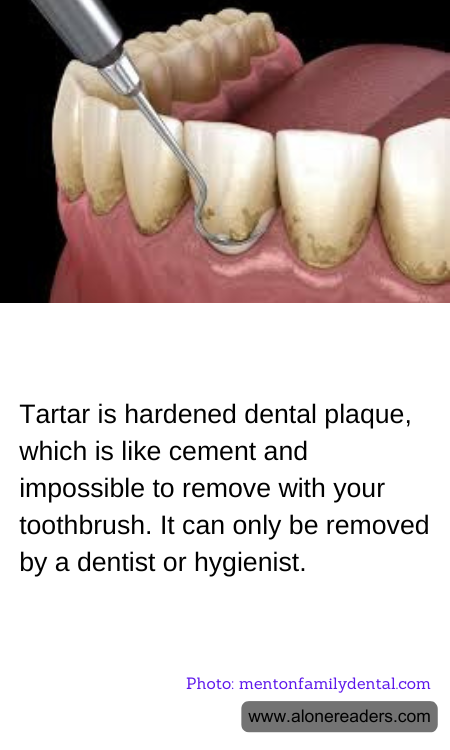
Tartar, also known as dental calculus, is a common dental issue that affects people of all ages. It forms when dental plaque, a sticky film of bacteria that constantly forms on our teeth, hardens over time. This hardened plaque is akin to cement, making it impossible to remove with regular brushing or flossing. Understanding tartar and its implications is crucial for maintaining good oral health.
Plaque begins to form on our teeth shortly after eating or drinking. If not removed through regular brushing and flossing, it can harden into tartar within 24 to 72 hours. Once tartar has formed, it creates a rough surface on the teeth, providing an ideal environment for more plaque to accumulate. This cycle can lead to a range of dental problems, including cavities, gum disease, and bad breath.
The presence of tartar is not just a cosmetic issue. It can lead to serious oral health problems if left untreated. Tartar buildup can irritate the gums, leading to gingivitis, the earliest stage of gum disease. Symptoms of gingivitis include red, swollen gums that may bleed during brushing or flossing. If gingivitis is not addressed, it can progress to periodontitis, a more severe form of gum disease that can result in tooth loss.
Unfortunately, once tartar has formed, it cannot be removed by brushing alone. This is because tartar is extremely hard and firmly attached to the tooth surface. The only way to effectively remove tartar is through professional dental cleaning performed by a dentist or dental hygienist. During this procedure, known as scaling, dental professionals use specialized tools to carefully scrape away the tartar from the teeth and beneath the gumline.
Preventing tartar buildup is key to maintaining healthy teeth and gums. Good oral hygiene practices, such as brushing twice a day with fluoride toothpaste, flossing daily, and using an antiseptic mouthwash, can help reduce plaque formation. Regular dental check-ups and cleanings are also essential, as they allow for early detection and removal of any tartar buildup.
In addition to maintaining good oral hygiene, lifestyle choices can also impact tartar formation. A diet high in sugary or starchy foods can increase plaque production, so it's important to limit these foods and opt for a balanced diet rich in fruits, vegetables, and whole grains. Drinking plenty of water and chewing sugar-free gum can also help stimulate saliva production, which naturally cleanses the mouth and reduces plaque buildup.
In conclusion, while tartar is a common dental issue, it is one that can be managed with proper care and regular dental visits. By understanding the nature of tartar and taking proactive steps to prevent its formation, individuals can maintain a healthy, bright smile and avoid the complications associated with tartar buildup.
