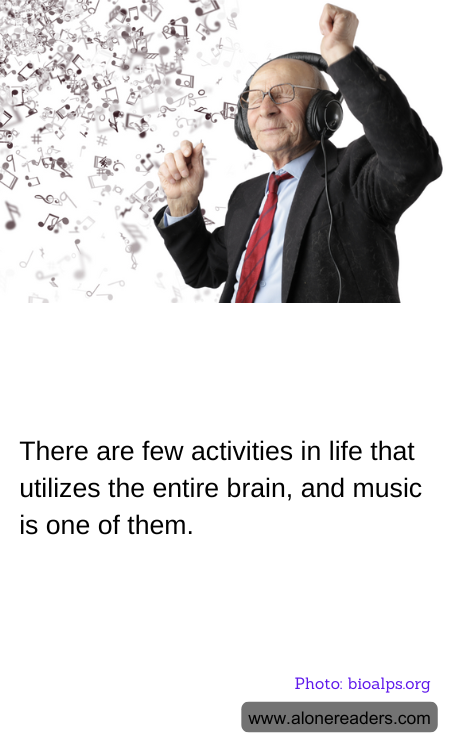
Music is a universal language that transcends cultural and linguistic barriers, resonating with people from all walks of life. It is a unique activity that engages the entire brain, making it a fascinating subject of study for neuroscientists and psychologists alike. Unlike many other activities that may stimulate specific regions of the brain, music involves a complex interplay of neural networks, engaging areas responsible for emotion, memory, motor skills, and even creativity.
When we listen to music, our brains process the rhythm, melody, and harmony, activating the auditory cortex. This initial processing is just the beginning of a cascade of neural events. The prefrontal cortex, which is involved in decision-making and social behavior, becomes active as we interpret and anticipate musical patterns. Meanwhile, the limbic system, which governs emotions, responds to the emotional content of the music, explaining why certain songs can make us feel happy, sad, or nostalgic.
Playing an instrument or singing further amplifies this brain activity. Musicians often exhibit enhanced connectivity between the left and right hemispheres of the brain, as they must coordinate complex motor skills with auditory processing and emotional expression. This bilateral engagement is akin to a full-brain workout, strengthening neural pathways and enhancing cognitive functions such as memory and problem-solving. Studies have shown that musicians often have better verbal memory and spatial reasoning skills compared to non-musicians.
Moreover, music has therapeutic benefits that extend beyond cognitive enhancement. It is used in various therapeutic settings to aid in the treatment of neurological disorders, such as Parkinson's disease and stroke recovery. Music therapy can help improve motor function, reduce anxiety, and even alleviate pain. The rhythmic elements of music can help patients regain movement, while its emotional power can provide comfort and motivation.
For children, exposure to music can be particularly beneficial. Learning to play an instrument or engaging in musical activities can boost language development, improve mathematical skills, and enhance social interaction. The discipline required to practice an instrument also fosters patience and perseverance, qualities that are valuable in all areas of life.
In a world where multitasking and constant stimulation are the norms, music offers a unique opportunity to engage the brain in a holistic manner. Whether through listening, performing, or composing, music taps into our innate creativity and emotional depth, providing a rich and rewarding experience. It is no wonder that music has been an integral part of human culture for millennia, serving as a source of joy, solace, and connection. As we continue to explore the mysteries of the brain, music remains a powerful tool for unlocking its full potential.
