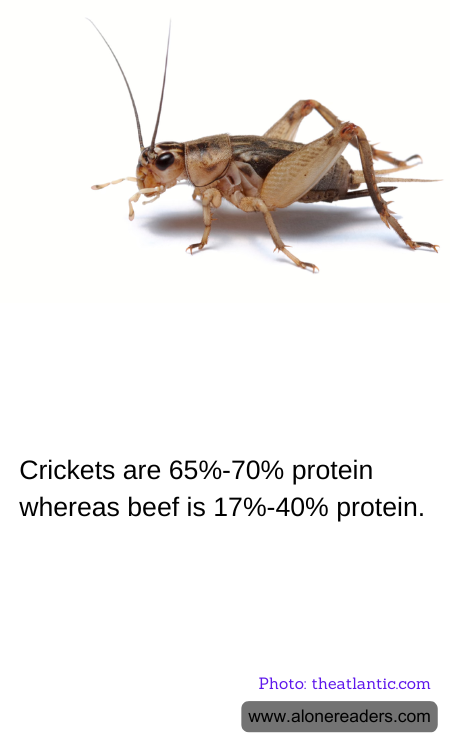
In the quest for sustainable and nutritious food sources, crickets have emerged as a surprising yet promising contender. While the idea of consuming insects might seem unconventional to some, crickets offer a compelling nutritional profile that could revolutionize the way we think about protein sources. Remarkably, crickets are composed of 65% to 70% protein, significantly outpacing traditional protein sources like beef, which contains between 17% and 40% protein depending on the cut and preparation.
The high protein content in crickets is not only impressive but also highly efficient. Protein is a crucial macronutrient necessary for building and repairing tissues, making enzymes, and supporting overall bodily functions. The protein found in crickets is complete, meaning it contains all nine essential amino acids that the human body cannot synthesize on its own. This makes crickets an excellent option for those seeking a comprehensive protein source, particularly in regions where access to diverse food options may be limited.
Beyond their protein content, crickets are also rich in other essential nutrients. They are a good source of vitamins such as B12, which is vital for nerve function and the production of DNA and red blood cells. Additionally, crickets provide minerals like iron, calcium, and zinc, all of which play critical roles in maintaining health. The presence of healthy fats, including omega-3 and omega-6 fatty acids, further enhances their nutritional value, contributing to heart health and reducing inflammation.
From an environmental perspective, crickets offer a sustainable alternative to traditional livestock farming. Raising crickets requires significantly less land, water, and feed compared to cattle. They produce minimal greenhouse gases and can be farmed in urban settings, reducing the carbon footprint associated with transportation. This makes cricket farming an attractive option in the face of growing concerns about climate change and resource scarcity.
Despite these advantages, the adoption of crickets as a mainstream food source faces cultural and psychological barriers. In many Western countries, the idea of eating insects is met with hesitation. However, as awareness of their benefits grows, so does the interest in incorporating crickets into diets. Innovative food products such as cricket protein bars, powders, and even pasta are making it easier for consumers to embrace this nutritious insect without having to confront the insect itself.
In conclusion, crickets present a compelling case as a protein powerhouse that could play a significant role in addressing global food security challenges. Their high protein content, coupled with a rich array of nutrients and a minimal environmental footprint, positions them as a viable alternative to traditional protein sources like beef. As the world continues to seek sustainable solutions to feed a growing population, crickets may very well become a staple in diets around the globe, offering a nutritious and eco-friendly option for all ages.
