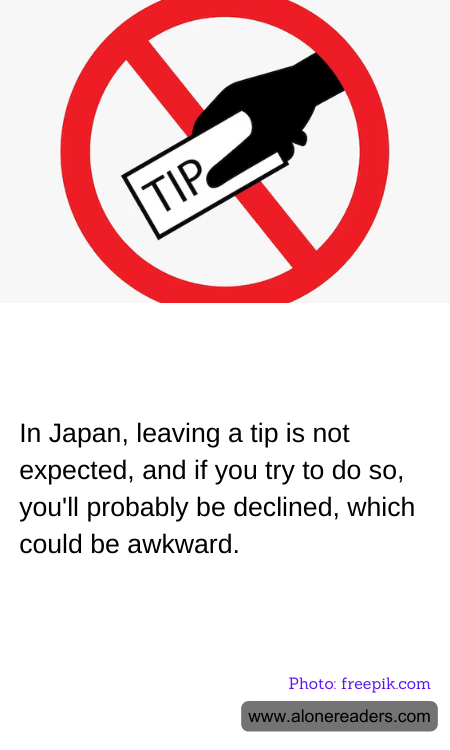
In Japan, the cultural norms surrounding tipping can be quite surprising for visitors from countries where tipping is customary. Unlike in the United States or many European nations, leaving a tip in Japan is not expected and can even be considered impolite. This cultural difference often catches tourists off guard, leading to potentially awkward situations when they attempt to show appreciation through monetary means.
The Japanese service industry prides itself on providing excellent service as a standard, not as something that requires additional reward. The concept of "omotenashi," which translates to selfless hospitality, is deeply ingrained in Japanese culture. This philosophy emphasizes anticipating and fulfilling the needs of guests without expecting anything in return. As a result, service workers in Japan, whether in restaurants, hotels, or taxis, are trained to deliver high-quality service as part of their job, not for the prospect of receiving a tip.
When a tip is offered, it can create discomfort for both the giver and the receiver. The act of tipping might be seen as an implication that the service provided was exceptional or that the worker is in need of extra compensation, which can be perceived as disrespectful. In some cases, the service worker may politely decline the tip, leaving the tipper feeling embarrassed or confused. This interaction can be particularly awkward if there is a language barrier, as the intentions behind the gesture may be misunderstood.
For travelers visiting Japan, it is important to respect and adapt to local customs. Instead of tipping, expressing gratitude verbally or with a simple bow is a more culturally appropriate way to acknowledge good service. Additionally, many establishments include a service charge in the bill, ensuring that workers are fairly compensated without the need for additional tipping.
Understanding and respecting Japan's no-tipping culture not only helps avoid uncomfortable situations but also enriches the travel experience by allowing visitors to engage more deeply with the local customs and traditions. By embracing the Japanese way of hospitality, travelers can enjoy a more authentic and respectful interaction with the people they encounter, enhancing their overall appreciation of the country's unique cultural landscape.
