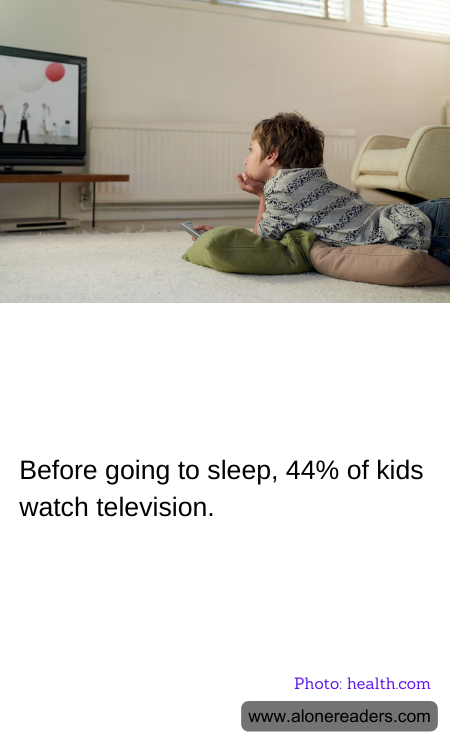
In today's digital age, the presence of screens in our daily lives is undeniable, and this extends to the routines of children. A recent study has highlighted a significant trend: 44% of kids watch television before going to sleep. This statistic opens up a conversation about the impact of screen time on children's sleep patterns and overall well-being.
Television has long been a staple in many households, serving as a source of entertainment and information. For children, it offers a window into a world of colorful characters and engaging stories. However, the habit of watching TV before bed raises questions about its effects on sleep quality. The blue light emitted by screens can interfere with the production of melatonin, a hormone that regulates sleep. This disruption can lead to difficulties in falling asleep and may affect the overall quality of rest that children receive.
Parents often find themselves in a dilemma, balancing the convenience of television as a tool to wind down with the potential drawbacks it poses. While TV can be a calming pre-sleep ritual, it is crucial to consider the content being consumed. Programs with fast-paced action or intense themes may stimulate rather than relax young minds, making it harder for them to transition to sleep. On the other hand, educational or soothing content might serve as a gentle bridge to bedtime.
The implications of this trend extend beyond just sleep. Adequate rest is essential for children's physical and cognitive development. Insufficient or poor-quality sleep can affect mood, attention span, and academic performance. Therefore, establishing healthy bedtime routines is vital. Encouraging activities such as reading, listening to calming music, or engaging in quiet play can be beneficial alternatives to screen time.
Parents and caregivers play a crucial role in shaping these routines. Setting consistent bedtimes and creating a calming environment can help signal to children that it is time to wind down. Additionally, limiting screen exposure at least an hour before bed can aid in reducing the impact of blue light on sleep patterns. Open communication about the importance of sleep and the effects of screen time can also empower children to make informed choices about their pre-sleep activities.
In conclusion, while television remains a popular pre-sleep activity for many children, it is essential to approach this habit with mindfulness. By understanding the potential effects of screen time on sleep and implementing strategies to mitigate them, parents can help ensure that their children enjoy restful nights and wake up ready to embrace each new day. Balancing entertainment with healthy sleep practices is key to fostering a well-rounded and thriving generation.
