Bubble gum, a staple of childhood and a nostalgic treat for many adults, is instantly recognizable by its distinctive pink hue. This iconic color, however, was not the result of a deliberate design choice but rather a happy accident. The story of how bubble gum came to be pink is as intriguing as the chewy confection itself.
The tale begins in the late 1920s with Walter Diemer, an accountant at the Fleer Chewing Gum Company in Philadelphia. At the time, the company was experimenting with new gum recipes, hoping to create a product that could form bubbles. Diemer, who had no formal training in chemistry or confectionery, was tasked with testing various formulations. After numerous trials and errors, he stumbled upon a recipe that was both stretchy and less sticky, making it perfect for blowing bubbles.
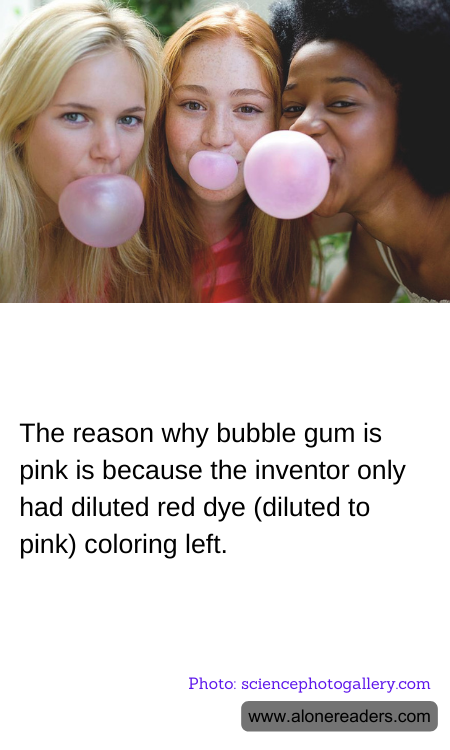
However, the new gum needed a splash of color to make it more appealing. When Diemer looked around the factory for coloring, he found that the only dye available was a diluted red, which appeared pink. This was not a strategic choice but rather a matter of convenience and necessity. With no other options at hand, Diemer used the pink dye, and thus, the first batch of bubble gum was born in a rosy hue.
The pink color quickly became synonymous with bubble gum, and its popularity soared. The Fleer Company marketed the gum as "Dubble Bubble," and it became an instant hit. The pink shade was not only eye-catching but also evoked a sense of fun and playfulness, perfectly aligning with the product's target audience—children. Over time, the pink color became an industry standard, and even as new flavors and colors were introduced, pink remained the quintessential bubble gum color.
This serendipitous choice of color highlights the role of chance in innovation. Walter Diemer's lack of resources led to a decision that would define the identity of bubble gum for generations. The pink hue is now so deeply ingrained in the cultural consciousness that it is difficult to imagine bubble gum in any other color.
Today, bubble gum comes in a variety of colors and flavors, but the classic pink remains a favorite. It serves as a reminder of the simple beginnings of a product that has brought joy to millions. The story of bubble gum's pink color is a testament to the power of creativity and the unexpected paths that innovation can take. It is a delightful example of how sometimes, the best ideas come from making the most of what is available, turning limitations into iconic features.
