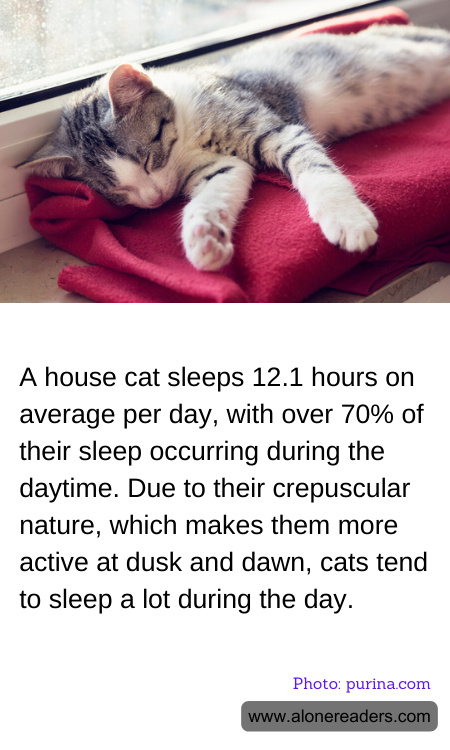
Cats are fascinating creatures, known for their mysterious behaviors and endearing quirks. One of the most notable aspects of a house cat's daily routine is their penchant for sleep. On average, a house cat sleeps about 12.1 hours each day, with a significant portion of this slumber occurring during daylight hours. This behavior is deeply rooted in their crepuscular nature, which means they are most active during the twilight hours of dawn and dusk.
The crepuscular activity pattern of cats is a trait inherited from their wild ancestors. In the wild, these times of day offer the best opportunities for hunting, as many prey animals are also active during these hours. This instinctual behavior has been passed down through generations, even as cats have transitioned from wild hunters to beloved household pets. As a result, domestic cats tend to conserve their energy during the day, preparing for their bursts of activity when the sun rises and sets.
During the day, when the sun is high and the world is bustling with activity, cats often retreat to their favorite napping spots. Whether it's a cozy corner of the couch, a sunny windowsill, or a soft bed, these feline friends find comfort in their chosen resting places. This daytime sleep is not just a matter of preference but a biological necessity. Cats enter a state of light sleep, allowing them to remain alert to their surroundings while still getting the rest they need.
Interestingly, the sleep patterns of cats can vary based on their environment and individual personalities. Some cats may adapt to the schedules of their human companions, becoming more active during the day if their owners are around. However, the innate crepuscular rhythm remains a dominant force in their lives, guiding their sleep and activity cycles.
Understanding a cat's sleep habits can help pet owners create a more harmonious living environment. Providing a variety of comfortable sleeping spots and engaging in interactive play during their active hours can enhance a cat's well-being. Additionally, recognizing that a cat's daytime sleep is a natural and necessary part of their routine can foster a deeper appreciation for these enigmatic animals.
In essence, the sleep patterns of house cats are a testament to their wild heritage and adaptive nature. By embracing their crepuscular tendencies and respecting their need for rest, we can ensure that our feline companions lead happy and healthy lives. Whether they're curled up in a sunbeam or prowling the house at dawn, cats continue to captivate us with their unique blend of independence and affection.
