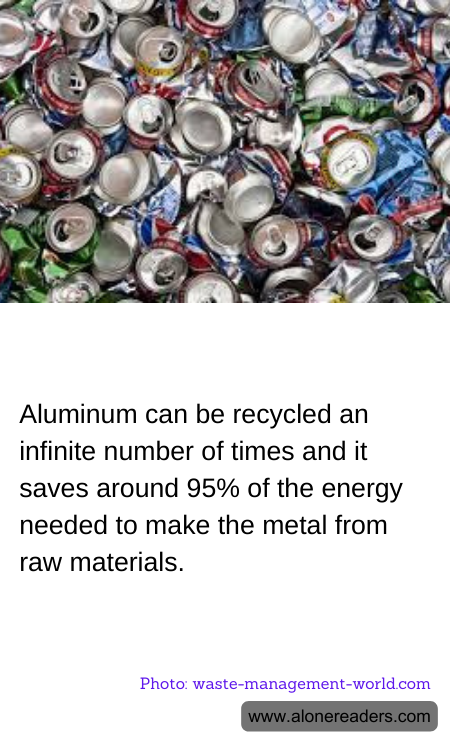
Aluminum is a remarkable material that plays a crucial role in our daily lives, from the cans that hold our favorite beverages to the components in our electronic devices. One of the most impressive features of aluminum is its recyclability. Unlike many materials that degrade over time, aluminum can be recycled an infinite number of times without losing its quality. This unique property makes it an invaluable resource in the quest for sustainable living.
Recycling aluminum is not only beneficial for preserving the quality of the material but also for conserving energy. The process of recycling aluminum saves around 95% of the energy required to produce new aluminum from raw materials. This significant energy saving is due to the fact that extracting aluminum from bauxite ore, its primary raw material, is an energy-intensive process. By recycling, we bypass the need for this extraction, reducing the environmental impact and conserving precious energy resources.
The environmental benefits of recycling aluminum extend beyond energy savings. By reducing the need for raw material extraction, recycling helps to minimize the environmental degradation associated with mining activities. This includes reducing deforestation, habitat destruction, and soil erosion, which are often the byproducts of mining operations. Additionally, recycling aluminum reduces greenhouse gas emissions, as the energy saved translates to fewer fossil fuels being burned.
The infinite recyclability of aluminum also contributes to the circular economy, a system where resources are reused and recycled to minimize waste. In a circular economy, products are designed to be reused, repaired, and recycled, keeping materials in use for as long as possible. Aluminum fits perfectly into this model, as its ability to be recycled endlessly means it can continually re-enter the production cycle, reducing the need for new materials and decreasing waste.
For consumers, recycling aluminum is a simple yet impactful way to contribute to environmental sustainability. Many communities have established recycling programs that make it easy to recycle aluminum cans and other products. By participating in these programs, individuals can help ensure that aluminum continues to be a sustainable resource for future generations.
In conclusion, aluminum's infinite recyclability and the substantial energy savings associated with its recycling make it a cornerstone of sustainable practices. By choosing to recycle aluminum, we can significantly reduce our environmental footprint, conserve energy, and support a more sustainable future. As we continue to seek ways to live more sustainably, aluminum recycling stands out as a practical and effective solution that benefits both the environment and the economy.
