Owls, with their mysterious presence and haunting calls, have long fascinated humans. These nocturnal birds of prey are known for their exceptional hunting skills and unique adaptations that allow them to thrive in various environments. One intriguing aspect of owls is the color of their eyes, which can provide insights into their preferred times of activity. While many people might assume that all owls are strictly nocturnal, the truth is more nuanced, and eye color plays a significant role in understanding their behavior.
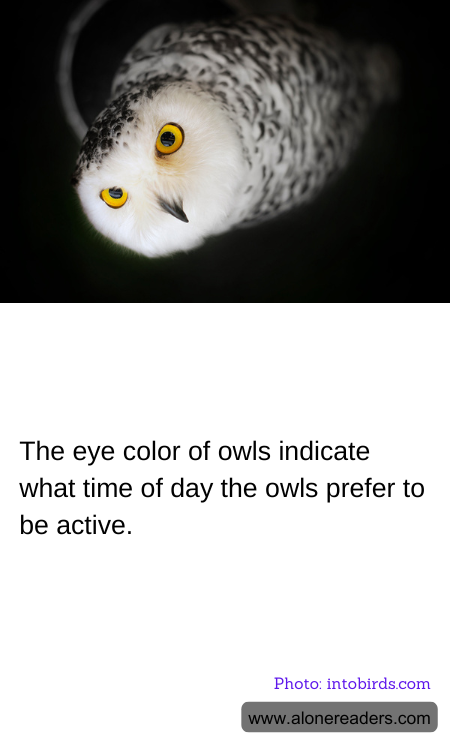
The eye color of an owl is not just a random trait but an evolutionary adaptation that correlates with their hunting habits and the time of day they are most active. Generally, owls can be categorized into three groups based on their eye color: dark brown or black, orange, and yellow. Each of these colors indicates different periods of activity.
Owls with dark brown or black eyes, such as the Barn Owl, are typically nocturnal. These owls are adapted to hunt in the darkness of night, relying on their acute sense of hearing and exceptional night vision to locate prey. The dark eye color helps reduce glare from moonlight or other light sources, allowing them to focus better in low-light conditions. This adaptation is crucial for their survival, as it enables them to hunt effectively when most other predators are inactive.
In contrast, owls with orange eyes, like the Eurasian Eagle Owl, are often crepuscular, meaning they are most active during the twilight hours of dawn and dusk. The orange hue of their eyes is an adaptation that allows them to see well in dim light, which is characteristic of these transitional periods between day and night. This timing provides them with the advantage of hunting when there is still enough light to see, but not so much that it blinds them or exposes them to potential threats.
Lastly, owls with yellow eyes, such as the Snowy Owl, are typically diurnal, meaning they are active during the day. These owls have adapted to environments where daylight is prevalent, such as the Arctic tundra, where the Snowy Owl resides. The yellow eye color helps them see clearly in bright light conditions, allowing them to hunt effectively during the day. This adaptation is particularly beneficial in regions where daylight can last for extended periods, especially during the summer months.
Understanding the correlation between eye color and activity patterns in owls not only enriches our knowledge of these fascinating creatures but also highlights the incredible diversity and adaptability of wildlife. By observing these subtle yet significant traits, we gain a deeper appreciation for the natural world and the intricate ways in which animals have evolved to thrive in their respective habitats. Whether they are hunting under the cover of night, in the soft glow of twilight, or in the full light of day, owls continue to captivate us with their silent grace and enigmatic presence.
