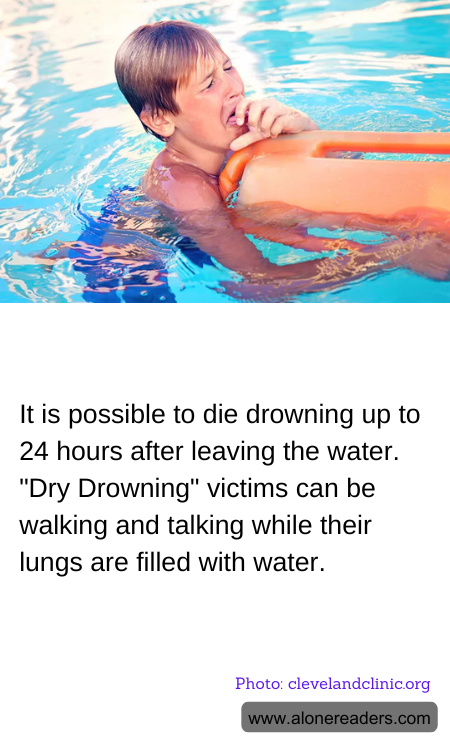
The concept of "dry drowning" is both alarming and crucial for people of all ages to understand. It refers to a rare but serious condition where a person can experience respiratory distress and potentially die up to 24 hours after being submerged in water. This phenomenon can occur even when the individual appears to have recovered and is walking and talking normally after leaving the water.
Dry drowning occurs when water is inhaled, causing a spasm in the airway and leading to breathing difficulties. This can happen in any body of water, from swimming pools to bathtubs, and affects both children and adults. The inhaled water can cause the vocal cords to spasm and close up, making it difficult to breathe. In some cases, the water can enter the lungs, leading to inflammation and swelling, which can worsen over time and result in respiratory failure.
The symptoms of dry drowning can be subtle and may not appear immediately. They can include coughing, chest pain, difficulty breathing, extreme fatigue, and changes in behavior such as irritability or a drop in energy levels. These signs can be easily overlooked, especially if the person seems fine after leaving the water. However, it is crucial to monitor anyone who has had a near-drowning experience for these symptoms and seek medical attention if they appear.
Prevention is key when it comes to dry drowning. Ensuring that children are supervised at all times while in the water, teaching them to swim, and encouraging them to avoid swallowing water can significantly reduce the risk. For adults, being aware of the risks and recognizing the symptoms can help in taking prompt action if necessary.
If you suspect someone is experiencing dry drowning, it is essential to seek medical help immediately. Healthcare professionals can assess the situation and provide the necessary treatment, which may include oxygen therapy or other interventions to support breathing. Early intervention can make a significant difference in the outcome.
Understanding dry drowning and its potential risks is vital for everyone who enjoys water activities. By being informed and vigilant, we can help prevent this rare but serious condition from turning a day of fun into a tragedy. Remember, safety in and around water is not just about preventing immediate accidents but also about being aware of the lingering risks that can follow.
