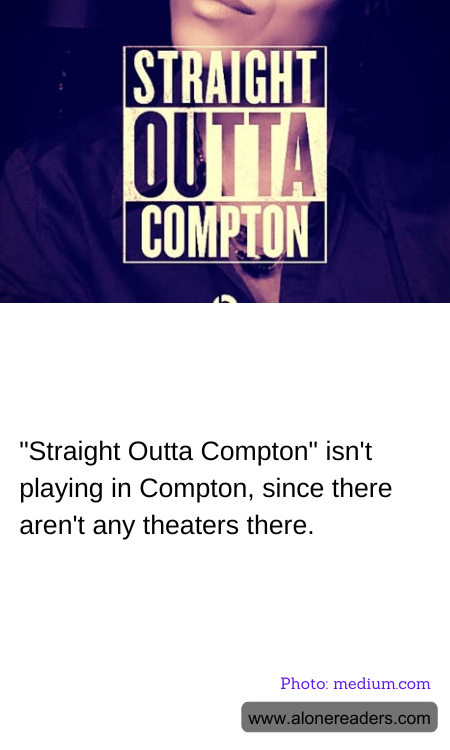
When the biographical film "Straight Outta Compton" hit theaters in 2015, it was met with widespread acclaim for its raw depiction of the rise of the influential hip-hop group N.W.A. The film, which chronicles the group's journey from the streets of Compton to international fame, resonated with audiences across the globe. However, a surprising twist emerged: the film was not playing in Compton itself, a city that played a pivotal role in the narrative.
The absence of a movie theater in Compton is not a new development. The city, despite its rich cultural history and significant contributions to music and arts, has been without a cinema for several years. This lack of a local theater means that residents must travel to neighboring cities to catch the latest films. For a movie like "Straight Outta Compton," which is deeply rooted in the city's identity and history, this situation highlighted a broader issue of access to cultural resources.
Compton's lack of a movie theater is emblematic of a larger trend affecting many urban areas across the United States. Economic challenges, shifts in population, and changes in entertainment consumption have led to the closure of many local theaters. In Compton's case, the absence of a cinema is a reminder of the economic and social hurdles the city faces. While the city has made strides in revitalization and development, the absence of a theater underscores the need for continued investment in community infrastructure.
The irony of "Straight Outta Compton" not being shown in its namesake city did not go unnoticed. It sparked conversations about the importance of cultural representation and access. For many residents, the film was more than just entertainment; it was a reflection of their lived experiences and a celebration of their community's impact on global culture. The inability to watch it locally was a missed opportunity for communal engagement and pride.
Efforts to bring a theater back to Compton have been discussed, with community leaders and developers exploring possibilities. Such a development would not only provide entertainment options but also serve as a catalyst for economic growth and community cohesion. A local theater could become a hub for cultural events, educational programs, and a gathering place for residents.
In the meantime, the story of "Straight Outta Compton" and its absence from the city's screens serves as a poignant reminder of the disparities that exist in access to cultural amenities. It highlights the need for continued advocacy and investment in communities like Compton, ensuring that they are not only celebrated in film but also supported in reality. As the city continues to evolve, there is hope that one day, films like "Straight Outta Compton" will be enjoyed by residents in the very place that inspired them.
