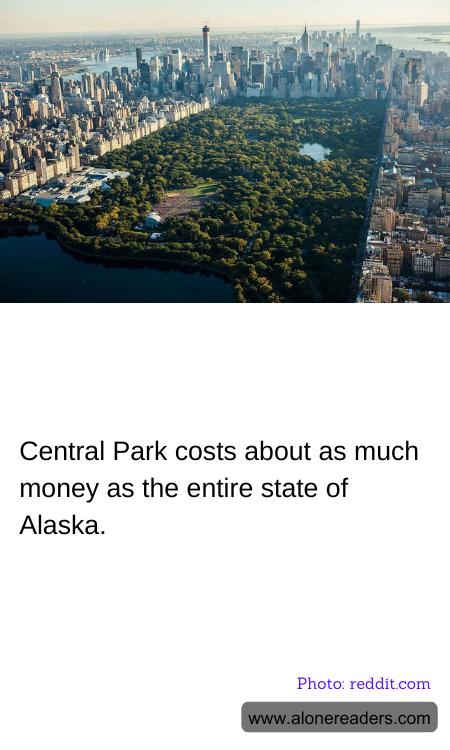
Central Park, the iconic green oasis nestled in the heart of New York City, is often celebrated for its sprawling landscapes, cultural significance, and as a refuge from the bustling urban environment. However, what might surprise many is the staggering cost associated with maintaining this urban sanctuary, which rivals the budget of an entire state—Alaska. This comparison highlights the immense financial commitment required to sustain such a landmark and underscores the unique challenges faced by urban parks in densely populated areas.
Central Park spans 843 acres and is a masterpiece of landscape architecture, designed by Frederick Law Olmsted and Calvert Vaux in the mid-19th century. It serves as a vital green space for millions of residents and tourists alike, offering a variety of recreational activities, cultural events, and natural beauty. The park's maintenance involves a complex web of operations, from horticultural care and infrastructure upkeep to security and event management. This extensive maintenance is primarily funded by the Central Park Conservancy, a private nonprofit organization that raises approximately 75% of the park's annual budget, which is estimated to be around $65 million.
In contrast, Alaska, the largest state in the United States by land area, operates on a budget that, while larger in absolute terms, is comparable when considering the vastness and the population it serves. Alaska's state budget is heavily influenced by its natural resources, particularly oil revenues, which fund a significant portion of its public services and infrastructure. Despite its size, Alaska's population is relatively small, with just over 730,000 residents, which means its per capita state expenditure is spread across fewer people compared to the dense population surrounding Central Park.
The juxtaposition of Central Park's budget with that of an entire state like Alaska illustrates the unique economic dynamics of urban versus rural areas. In urban centers like New York City, the cost of living and operating public spaces is significantly higher due to factors such as labor costs, real estate values, and the sheer volume of visitors and residents who utilize these spaces. Central Park alone attracts over 42 million visitors annually, necessitating a robust infrastructure to accommodate such high foot traffic while preserving its natural and historical elements.
This financial comparison also raises broader questions about the allocation of resources and the value placed on urban green spaces. Parks like Central Park are not merely recreational areas; they are essential components of urban life, contributing to environmental sustainability, public health, and community well-being. The investment in Central Park reflects a commitment to preserving these benefits for future generations, even if it comes with a price tag that rivals that of an entire state.
In conclusion, the cost of maintaining Central Park, comparable to the budget of Alaska, underscores the significant financial and logistical efforts required to sustain urban green spaces. It highlights the importance of such spaces in enhancing the quality of life in cities and the need for continued investment to ensure their preservation amidst the challenges of urbanization.
