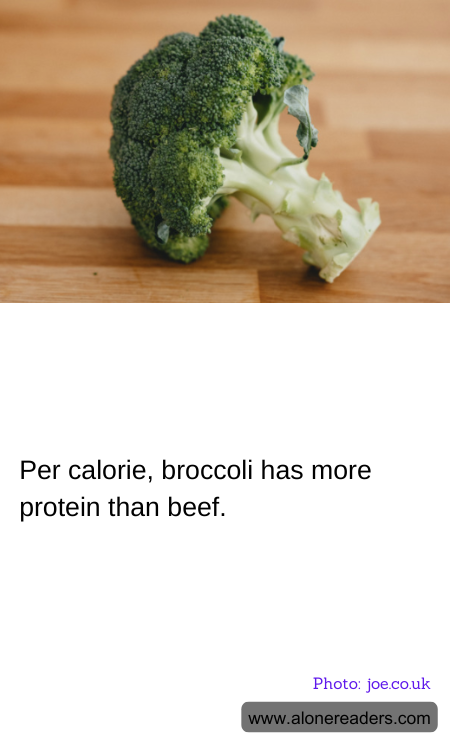
In the world of nutrition, the comparison between plant-based and animal-based foods often sparks intriguing discussions. One such debate centers around the protein content of broccoli compared to beef. Surprisingly, when examined on a per-calorie basis, broccoli emerges as a contender with more protein than beef. This revelation challenges traditional perceptions of protein sources and invites a closer look at the nutritional profiles of these two foods.
Broccoli, a cruciferous vegetable, is often celebrated for its rich array of vitamins, minerals, and antioxidants. It is particularly high in vitamin C, vitamin K, and fiber, making it a staple in health-conscious diets. However, its protein content is frequently overlooked. When analyzed per calorie, broccoli contains approximately 4.3 grams of protein per 100 calories. This might seem modest compared to beef, which contains about 6.4 grams of protein per 100 calories, but the comparison becomes more nuanced when considering the overall caloric density.
Beef, a traditional protein powerhouse, is dense in calories due to its fat content. A typical serving of beef provides a significant amount of protein, but it also comes with a higher calorie count. This means that while beef offers more protein per serving, it also contributes more calories to the diet. In contrast, broccoli is low in calories, allowing for a greater volume to be consumed without significantly impacting caloric intake. This means that, calorie for calorie, broccoli can provide a comparable amount of protein without the added caloric burden.
The implications of this comparison extend beyond mere numbers. For individuals seeking to reduce their caloric intake while maintaining adequate protein levels, incorporating more broccoli into their diet can be a strategic choice. This is particularly relevant for those pursuing weight management or plant-based diets. Broccoli's protein content, combined with its low calorie and high nutrient density, makes it an excellent option for those looking to optimize their nutritional intake.
Moreover, the environmental impact of food choices is becoming an increasingly important consideration. Plant-based foods like broccoli generally have a lower carbon footprint compared to animal-based products like beef. By choosing broccoli as a protein source, individuals can contribute to more sustainable eating practices while still meeting their dietary needs.
In conclusion, while beef remains a valuable source of protein, the comparison with broccoli on a per-calorie basis highlights the potential of plant-based foods to meet protein requirements efficiently. This discovery encourages a broader perspective on nutrition, emphasizing the importance of variety and balance in our diets. By embracing the nutritional benefits of vegetables like broccoli, individuals can enjoy a diverse and healthful diet that supports both personal health and environmental sustainability.
