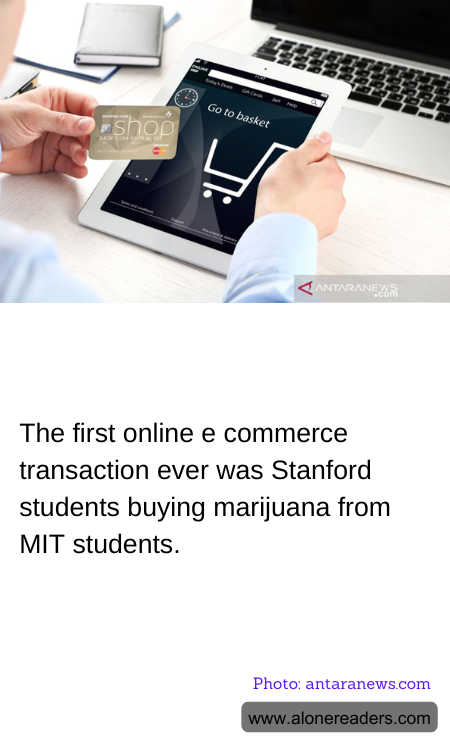
In the annals of technological history, the advent of e-commerce stands as a transformative milestone, reshaping how we conduct business and interact with the marketplace. Yet, the origins of online transactions are shrouded in a curious anecdote that blends the nascent digital world with a touch of counterculture. The first recorded instance of e-commerce is said to have occurred in the early 1970s, involving a transaction between students at Stanford University and the Massachusetts Institute of Technology (MIT). The commodity in question? Marijuana.
This unconventional beginning took place in an era when the internet was still in its infancy, known as ARPANET, a precursor to the modern internet. ARPANET was primarily a network designed for academic and research purposes, connecting various universities and research institutions across the United States. It was within this network that a group of Stanford students reportedly used their access to engage in a transaction with their counterparts at MIT, purchasing a small amount of marijuana.
While the details of this transaction are somewhat apocryphal and not officially documented, the story has persisted as a fascinating footnote in the history of e-commerce. It highlights the innovative spirit and the willingness to explore new frontiers that have always characterized the digital age. This early experiment in online commerce, albeit informal and illicit, foreshadowed the vast potential of the internet as a platform for buying and selling goods.
The significance of this transaction lies not in the nature of the goods exchanged but in the demonstration of the internet's capacity to facilitate remote transactions. It was a precursor to the sophisticated e-commerce systems we rely on today, where billions of dollars are exchanged daily across global platforms like Amazon, eBay, and countless others. This initial foray into online transactions underscored the internet's potential to transcend geographical boundaries, creating a global marketplace accessible to anyone with a connection.
As we reflect on this quirky chapter in the history of e-commerce, it serves as a reminder of how far we have come. From a simple, clandestine exchange between students to a multi-trillion-dollar industry, e-commerce has revolutionized the way we shop, work, and live. It has democratized access to goods and services, empowered consumers with choice and convenience, and fostered innovation in countless industries.
While the story of Stanford and MIT students trading marijuana online may seem trivial in the grand scheme of technological advancement, it encapsulates the spirit of curiosity and experimentation that drives progress. It is a testament to the unpredictable and often serendipitous nature of innovation, where even the most unassuming beginnings can lead to profound change. As we continue to navigate the ever-evolving landscape of e-commerce, this tale from the past serves as both a historical curiosity and a symbol of the boundless possibilities that the digital age holds.
