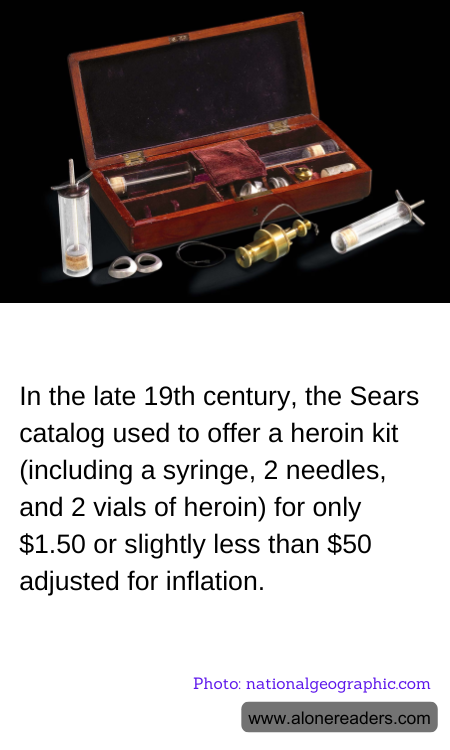
In the late 19th century, the landscape of consumer goods was vastly different from what we know today. Among the many surprising offerings of the time was the inclusion of a heroin kit in the Sears catalog. Priced at just $1.50, this kit included a syringe, two needles, and two vials of heroin. When adjusted for inflation, this would be slightly less than $50 in today's currency. This historical tidbit offers a fascinating glimpse into the medical practices and societal norms of the era.
During this period, heroin was not viewed with the same stigma it carries today. In fact, it was marketed as a wonder drug, praised for its pain-relieving properties and its ability to treat a variety of ailments, from coughs to insomnia. The drug was first synthesized in 1874 and was commercially introduced by Bayer, a German pharmaceutical company, in 1898. It was initially seen as a non-addictive substitute for morphine, which was widely used but known for its addictive qualities. This perception allowed heroin to be sold freely, without the restrictions that would later be imposed.
The inclusion of a heroin kit in the Sears catalog reflects the broader medical and cultural attitudes of the time. Sears, Roebuck and Co., founded in 1893, revolutionized the way Americans shopped by offering a wide range of products through mail-order catalogs. These catalogs were a staple in many households, providing access to goods that were otherwise difficult to obtain, especially in rural areas. The availability of a heroin kit in such a catalog underscores how normalized the use of certain drugs was before the advent of modern drug regulations.
However, as the 20th century progressed, the understanding of heroin's addictive nature became more apparent. By the early 1900s, reports of addiction and abuse began to surface, leading to increased scrutiny and regulation. The Harrison Narcotics Tax Act of 1914 marked a significant turning point, as it imposed strict regulations on the sale and distribution of opiates, including heroin. This legislation was a response to growing concerns about drug addiction and marked the beginning of the modern era of drug control.
Reflecting on this historical context, it's clear that the late 19th century was a time of experimentation and discovery in the field of medicine. The availability of a heroin kit in a popular catalog serves as a reminder of how far medical science and societal attitudes have evolved. Today, heroin is recognized as a highly addictive substance, and its use is heavily regulated. This shift highlights the importance of ongoing research and education in shaping public health policies and ensuring the safety and well-being of society.
In conclusion, the presence of a heroin kit in the Sears catalog is a fascinating artifact of a bygone era. It illustrates the evolving understanding of drugs and their impact on health, as well as the changing nature of consumer culture. As we continue to navigate the complexities of modern medicine, it is essential to learn from the past and remain vigilant in our efforts to protect public health.
