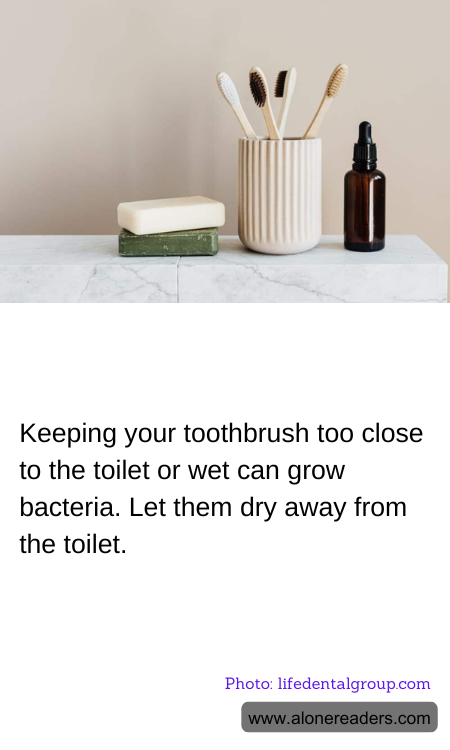
In the hustle and bustle of daily life, maintaining good oral hygiene is a priority for many. However, an often-overlooked aspect of oral care is the proper storage of your toothbrush. Surprisingly, the way you store your toothbrush can significantly impact its cleanliness and, by extension, your health. One common mistake is keeping your toothbrush too close to the toilet or allowing it to remain wet, both of which can lead to bacterial growth.
Bathrooms are typically small spaces where the toilet, sink, and shower are in close proximity. When you flush the toilet, a fine mist of water droplets, known as toilet plume, is released into the air. This mist can travel several feet and may contain bacteria and viruses. If your toothbrush is stored too close to the toilet, it can become a landing pad for these unwanted microorganisms. To minimize this risk, it's advisable to store your toothbrush as far from the toilet as possible, ideally in a closed cabinet or a dedicated holder with a cover.
Moreover, keeping your toothbrush dry is crucial in preventing bacterial growth. Bacteria thrive in moist environments, and a wet toothbrush can become a breeding ground for germs. After brushing, it's important to rinse your toothbrush thoroughly with tap water to remove any remaining toothpaste and debris. Then, shake off any excess water and store it upright in a holder that allows it to air dry. Avoid using a closed container for storage, as this can trap moisture and encourage bacterial proliferation.
In addition to proper storage, regular replacement of your toothbrush is essential. The American Dental Association recommends replacing your toothbrush every three to four months, or sooner if the bristles become frayed. A worn-out toothbrush is less effective at cleaning your teeth and can harbor more bacteria. For those with compromised immune systems or recent illnesses, replacing your toothbrush more frequently can further reduce the risk of infection.
By taking these simple steps, you can ensure that your toothbrush remains as clean and effective as possible. Proper toothbrush hygiene not only protects your oral health but also contributes to your overall well-being. Remember, a small change in your daily routine can make a significant difference in keeping harmful bacteria at bay.
