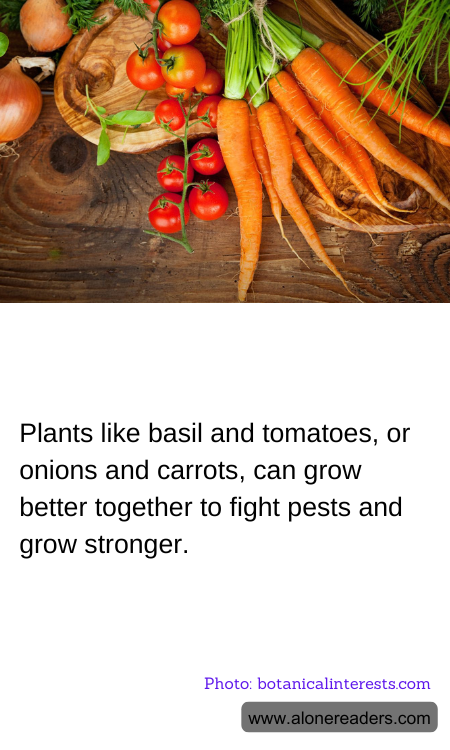
In the world of gardening, the concept of companion planting has gained significant attention for its ability to enhance plant growth and deter pests naturally. This age-old practice involves strategically placing certain plants together to create a mutually beneficial relationship. Among the most popular pairings are basil with tomatoes and onions with carrots. These combinations not only improve the health and yield of the plants but also offer a natural way to combat pests, making them a favorite among gardeners of all ages.
Basil and tomatoes are a classic example of companion planting. The aromatic basil plant is known to repel insects such as aphids, whiteflies, and tomato hornworms, which are common pests that can wreak havoc on tomato plants. By planting basil near tomatoes, gardeners can reduce the need for chemical pesticides, creating a more organic and environmentally friendly garden. Additionally, basil is believed to enhance the flavor of tomatoes, making this pairing a culinary delight as well as a gardening success.
Similarly, onions and carrots make a formidable duo in the garden. Onions emit a strong scent that deters carrot flies, a pest known for damaging carrot crops. In return, carrots help to aerate the soil, allowing onions to grow more robustly. This symbiotic relationship not only protects the plants from pests but also promotes healthier growth. The combination of these two vegetables can lead to a more bountiful harvest, providing gardeners with fresh produce that is both delicious and nutritious.
Companion planting is not just about pest control; it also involves understanding the needs of each plant and how they can complement each other. For instance, some plants can provide shade or support for others, while others can improve soil fertility. By carefully selecting plant pairings, gardeners can create a balanced ecosystem that supports plant health and productivity. This approach reduces the reliance on synthetic fertilizers and pesticides, promoting a more sustainable gardening practice.
For those new to gardening, experimenting with companion planting can be a rewarding experience. It encourages observation and learning about the natural interactions between plants and their environment. Moreover, it offers a practical way to engage with nature, fostering a sense of responsibility and appreciation for the ecosystem. Whether you have a small backyard garden or a larger plot, incorporating companion planting techniques can lead to healthier plants and a more enjoyable gardening experience.
In conclusion, the practice of companion planting, exemplified by the pairing of basil with tomatoes and onions with carrots, offers numerous benefits for gardeners. By naturally deterring pests and enhancing plant growth, these combinations contribute to a thriving garden environment. As more people seek sustainable and organic gardening methods, companion planting stands out as an effective and accessible strategy for gardeners of all ages.
