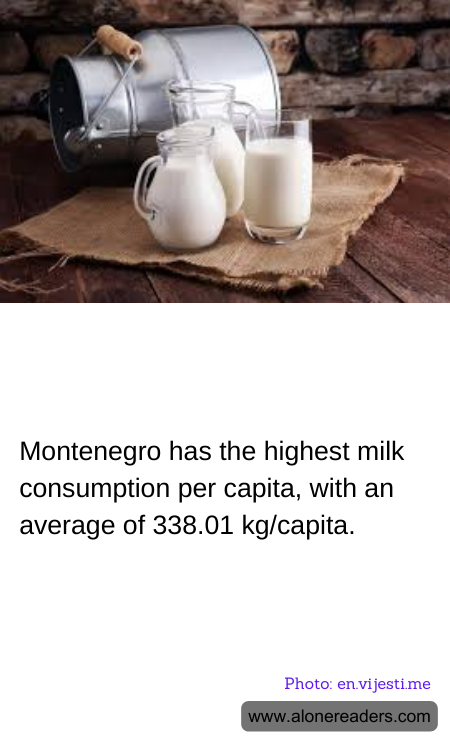
Nestled in the heart of the Balkans, Montenegro is a country known for its stunning landscapes, rich history, and vibrant culture. However, it holds another, perhaps lesser-known distinction: Montenegro boasts the highest milk consumption per capita in the world, with an impressive average of 338.01 kilograms per person annually. This remarkable statistic offers a fascinating glimpse into the dietary habits and cultural traditions of this small yet diverse nation.
Milk has long been a staple in Montenegrin households, deeply embedded in the country's culinary traditions. The high consumption rate can be attributed to several factors, including the country's agricultural practices, cultural preferences, and nutritional awareness. Montenegro's lush pastures and favorable climate provide ideal conditions for dairy farming, ensuring a steady supply of fresh milk and dairy products. This abundance of locally sourced milk has naturally led to its prominent place in the Montenegrin diet.
The Montenegrin diet is rich in dairy products, with milk being a key ingredient in many traditional dishes. From creamy cheeses to yogurt and buttermilk, dairy is a versatile component of everyday meals. Popular dishes such as kacamak, a hearty polenta-like dish made with potatoes and cheese, and cicvara, a cornmeal-based dish enriched with cheese and cream, highlight the central role of dairy in Montenegrin cuisine. These dishes not only satisfy the palate but also provide essential nutrients, contributing to the overall health and well-being of the population.
Cultural traditions also play a significant role in Montenegro's high milk consumption. In many Montenegrin families, milk is considered a symbol of hospitality and warmth. It is often served to guests as a gesture of welcome and is a staple at family gatherings and celebrations. This cultural emphasis on milk consumption is passed down through generations, reinforcing its importance in daily life.
Moreover, the health benefits associated with milk consumption cannot be overlooked. Milk is a rich source of calcium, protein, and essential vitamins, making it a valuable component of a balanced diet. In Montenegro, there is a strong awareness of the nutritional benefits of milk, which further encourages its consumption. The country's high milk intake is reflective of a broader commitment to maintaining a healthy lifestyle, supported by a diet rich in natural and locally sourced foods.
In conclusion, Montenegro's status as the country with the highest milk consumption per capita is a testament to the deep-rooted cultural, agricultural, and nutritional factors that shape its dietary habits. The country's love for milk and dairy products is not just a matter of preference but a reflection of its rich culinary heritage and commitment to health and well-being. As Montenegro continues to embrace its traditions while adapting to modern influences, milk remains a cherished and integral part of its national identity.
