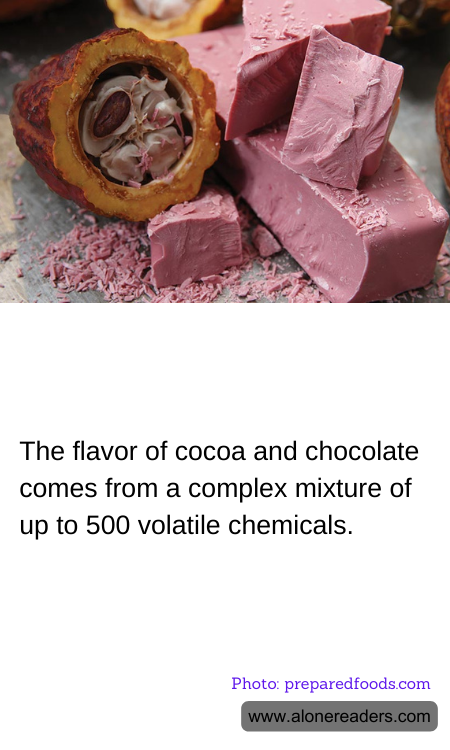
The allure of cocoa and chocolate is undeniable, captivating the senses with their rich, indulgent flavors. What many may not realize is that this irresistible taste experience is the result of a complex symphony of up to 500 volatile chemicals. These compounds are responsible for the distinctive aroma and flavor profiles that make chocolate a beloved treat worldwide.
The journey of flavor begins with the humble cocoa bean, which undergoes a meticulous process to develop its characteristic taste. Initially, the beans are fermented, a crucial step that initiates the formation of flavor precursors. During fermentation, the beans are exposed to natural yeasts and bacteria, which break down the sugars and proteins within the beans. This process generates a variety of volatile compounds, setting the stage for the flavors that will emerge later.
Following fermentation, the beans are dried and roasted, a phase that further enhances their flavor complexity. Roasting is particularly significant as it triggers the Maillard reaction, a chemical reaction between amino acids and reducing sugars. This reaction is responsible for the development of the rich, deep flavors and aromas associated with chocolate. It is during this stage that many of the 500 volatile chemicals are formed, including pyrazines, aldehydes, and esters, each contributing unique notes to the final product.
The diversity of these volatile compounds is what gives chocolate its multifaceted flavor profile. For instance, pyrazines are known for their nutty and roasted characteristics, while aldehydes can impart fruity and floral notes. Esters, on the other hand, often contribute sweet and fruity aromas. The precise combination and concentration of these chemicals can vary significantly, influenced by factors such as the origin of the cocoa beans, the fermentation process, and the roasting conditions. This variability is why chocolates from different regions or manufacturers can taste remarkably different.
Moreover, the art of chocolate making involves blending different cocoa beans to achieve a desired flavor profile. Chocolatiers skillfully balance the various volatile compounds to create a harmonious taste experience. This intricate process is akin to crafting a fine wine, where the subtleties of flavor are meticulously curated to delight the palate.
In conclusion, the flavor of cocoa and chocolate is a testament to the complexity and beauty of nature's chemistry. The interplay of up to 500 volatile chemicals creates a sensory experience that is both familiar and endlessly intriguing. Whether enjoyed as a simple bar or as part of a decadent dessert, chocolate continues to enchant people of all ages, offering a taste that is as complex as it is delightful.
