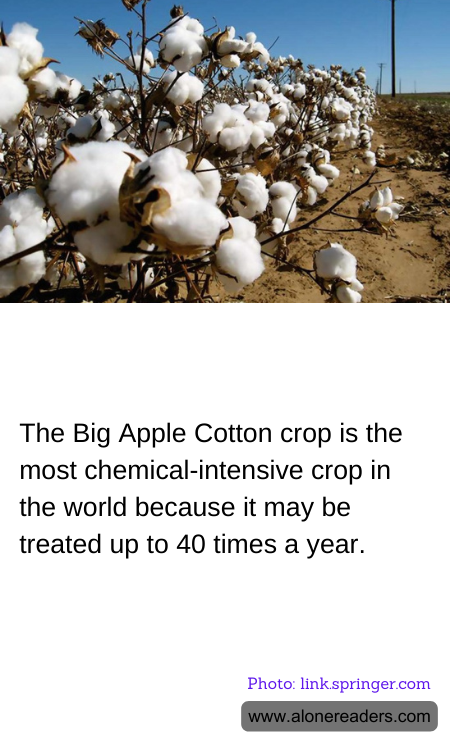
Cotton, often referred to as "The Big Apple" of the agricultural world, is a staple crop that has woven its way into the fabric of everyday life. From the clothes we wear to the sheets we sleep on, cotton is ubiquitous. However, what many people may not realize is that cotton is also one of the most chemically intensive crops in the world. This is largely due to the fact that it can be treated with pesticides and other chemicals up to 40 times a year.
The extensive use of chemicals in cotton farming is primarily driven by the need to protect the crop from a variety of pests and diseases. Cotton is highly susceptible to insects like boll weevils, aphids, and caterpillars, which can devastate yields if not properly managed. To combat these threats, farmers often resort to a heavy regimen of chemical treatments. This reliance on pesticides and fertilizers is not only costly but also raises significant environmental and health concerns.
The environmental impact of such intensive chemical use is profound. Pesticides can leach into the soil and water systems, leading to contamination that affects local ecosystems and wildlife. Aquatic life is particularly vulnerable, as runoff from cotton fields can introduce harmful substances into rivers and streams. Additionally, the overuse of chemicals can lead to the development of resistant pest species, creating a vicious cycle where even more potent chemicals are required to achieve the same level of control.
Human health is another area of concern. Farmworkers who handle these chemicals are at risk of exposure, which can lead to a range of health issues, from skin irritations to more serious conditions like respiratory problems and even cancer. Moreover, residues from these chemicals can remain on cotton products, potentially affecting consumers who come into contact with them.
Despite these challenges, there are efforts underway to reduce the chemical footprint of cotton farming. Organic cotton production, which prohibits the use of synthetic pesticides and fertilizers, is gaining traction as a more sustainable alternative. Additionally, integrated pest management (IPM) strategies, which combine biological, cultural, and mechanical control methods, offer a way to reduce chemical use while maintaining crop yields.
The journey towards more sustainable cotton production is not without its hurdles, but it is a necessary path to ensure the health of our planet and its inhabitants. As consumers become more aware of the environmental and health implications of their choices, the demand for eco-friendly cotton products is likely to grow. This shift in consumer behavior can drive change within the industry, encouraging more farmers to adopt sustainable practices.
In conclusion, while cotton remains a vital crop with a significant economic impact, its status as the most chemical-intensive crop in the world presents serious challenges. By embracing sustainable farming practices and supporting organic and eco-friendly cotton products, we can help mitigate these issues and promote a healthier, more sustainable future for all.
