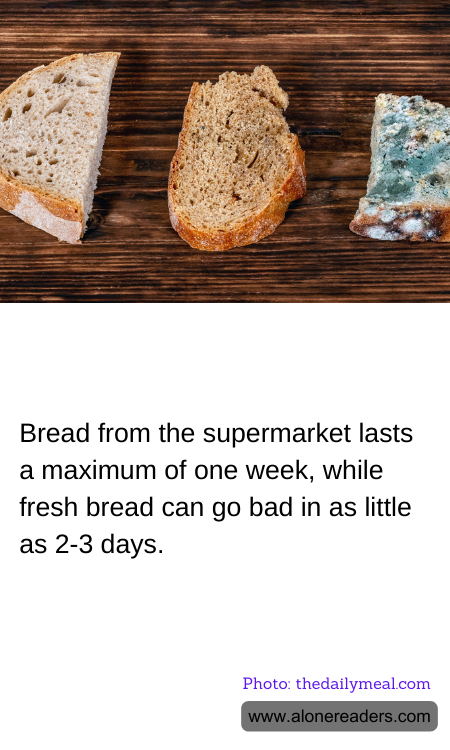
In the world of bread, there exists a stark contrast between the loaves we pick up from supermarket shelves and the freshly baked varieties we might find at a local bakery. This difference is not just in taste and texture but also in how long each type lasts once it finds a home in our kitchens. Supermarket bread, with its extended shelf life, can last up to a week or more, while fresh bread often begins to show signs of staleness within just a couple of days. This discrepancy is largely due to the ingredients and processes involved in their production.
Supermarket bread is typically made using a combination of preservatives and additives designed to extend its shelf life. These ingredients, such as calcium propionate and sorbic acid, inhibit the growth of mold and bacteria, allowing the bread to remain soft and edible for a longer period. Additionally, the industrial baking process often involves the use of dough conditioners and emulsifiers, which help maintain the bread's texture and moisture over time. This makes supermarket bread a convenient option for those who prefer to shop less frequently or who need a reliable staple that won't spoil quickly.
In contrast, fresh bread, often crafted by artisan bakers, is made with minimal ingredients—usually just flour, water, yeast, and salt. This simplicity is part of what gives fresh bread its superior taste and texture, but it also means that it lacks the preservatives found in its supermarket counterpart. As a result, fresh bread is more susceptible to staling and mold growth, often becoming hard or developing mold within two to three days. This shorter shelf life is a trade-off for the rich flavors and satisfying crust that fresh bread offers.
For those who cherish the taste of fresh bread but are concerned about its quick spoilage, there are a few strategies to extend its life. One popular method is to store bread in a paper bag or bread box, which allows it to breathe while preventing it from drying out too quickly. Alternatively, bread can be frozen shortly after purchase and then thawed as needed, preserving its freshness for weeks or even months. Slicing the bread before freezing can make it easier to take out just what you need, reducing waste.
Ultimately, the choice between supermarket and fresh bread comes down to personal preference and lifestyle. While supermarket bread offers convenience and longevity, fresh bread provides an unparalleled sensory experience that many find worth the extra effort. Whether you opt for the convenience of a pre-packaged loaf or the artisanal allure of a freshly baked one, understanding the differences in shelf life can help you make informed decisions that suit your needs and taste preferences.
