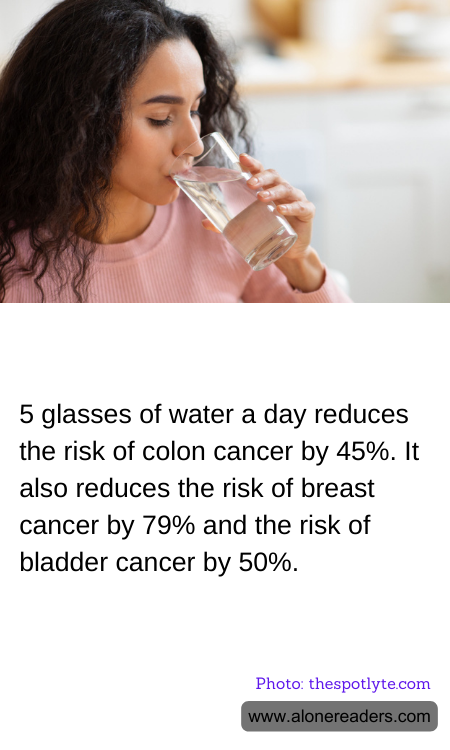
In recent years, the importance of hydration has gained significant attention, not just for maintaining overall health but also for its potential role in reducing the risk of certain cancers. Emerging research suggests that consuming at least five glasses of water a day can have a profound impact on lowering the risk of several types of cancer, including colon, breast, and bladder cancer.
Water is essential for the body's physiological processes, aiding in digestion, nutrient absorption, and waste elimination. However, its benefits extend beyond these basic functions. Studies indicate that drinking five glasses of water daily can reduce the risk of colon cancer by 45%. This is believed to be due to water's ability to facilitate the movement of waste through the digestive tract, thereby reducing the time that potential carcinogens are in contact with the colon lining.
Moreover, the impact of water on breast cancer risk is even more striking. Research shows that adequate hydration can decrease the risk of developing breast cancer by 79%. While the exact mechanisms are still being studied, it is hypothesized that water helps in maintaining hormonal balance and flushing out toxins that could potentially lead to cancerous changes in breast tissue.
Bladder cancer risk is also significantly reduced with proper hydration. Drinking five glasses of water a day can lower the risk by 50%. This is largely attributed to water's role in diluting urine and promoting regular urination, which helps to expel harmful substances from the bladder before they can cause damage.
The simplicity of this preventive measure is what makes it so appealing. Unlike complex dietary changes or medical interventions, increasing water intake is a straightforward and cost-effective strategy that can be easily incorporated into daily routines. It is important to note, however, that while water consumption is beneficial, it should be part of a broader lifestyle approach that includes a balanced diet, regular exercise, and regular medical check-ups.
For individuals of all ages, the message is clear: staying hydrated is not just about quenching thirst, but also about safeguarding health. Encouraging children and adults alike to develop the habit of drinking water regularly can have long-term benefits, potentially reducing the incidence of these serious diseases.
In conclusion, while more research is needed to fully understand the relationship between water intake and cancer prevention, the current evidence is compelling. By simply reaching for a glass of water more often, individuals can take a proactive step towards reducing their cancer risk and promoting overall well-being.
