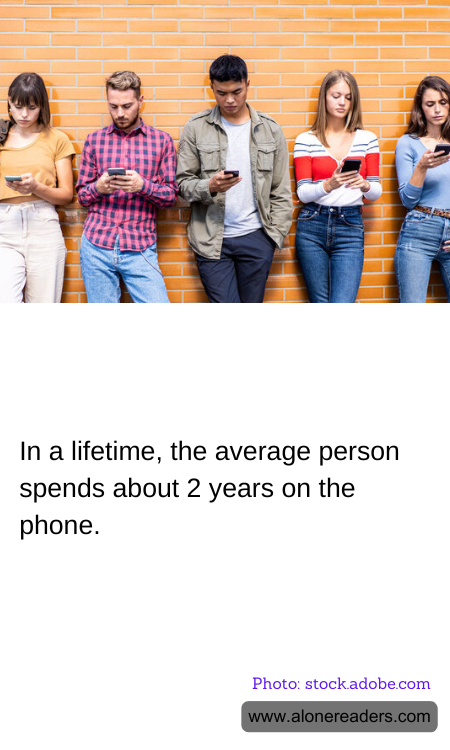
In today's digital age, the ubiquitous presence of mobile phones has become an integral part of our daily lives. From staying connected with loved ones to managing work tasks, these devices serve a multitude of purposes. However, a startling statistic reveals that, on average, a person spends about two years of their lifetime on the phone. This figure, while seemingly innocuous, prompts a deeper reflection on how we allocate our time and the implications of our digital habits.
The convenience of mobile phones cannot be overstated. They have revolutionized communication, making it possible to connect with anyone, anywhere, at any time. Social media platforms, messaging apps, and video calls have bridged distances, allowing for instant interaction. Yet, this constant connectivity comes at a cost. The average person, often without realizing it, dedicates a significant portion of their life to screen time. This time, which could be spent on personal growth, hobbies, or face-to-face interactions, is instead consumed by digital engagement.
Moreover, the impact of prolonged phone usage extends beyond mere time consumption. It influences our mental and physical well-being. Studies have shown that excessive screen time can lead to issues such as eye strain, disrupted sleep patterns, and even mental health challenges like anxiety and depression. The addictive nature of smartphones, with their endless notifications and updates, can create a cycle of dependency, making it difficult for individuals to disconnect and engage in the present moment.
Despite these challenges, it's important to recognize the positive aspects of phone usage. Mobile phones have become essential tools for learning, providing access to a wealth of information and educational resources. They also offer entertainment and relaxation through music, games, and videos, which can be beneficial when used in moderation. The key lies in finding a balance that allows us to harness the benefits of technology without letting it dominate our lives.
To mitigate the impact of excessive phone usage, individuals can adopt mindful practices. Setting boundaries, such as designated phone-free times or spaces, can help reduce screen time. Engaging in activities that promote physical and mental well-being, like exercise, reading, or spending time in nature, can provide a healthy counterbalance to digital engagement. Additionally, fostering real-world connections and prioritizing face-to-face interactions can enrich our social lives and enhance our overall quality of life.
In conclusion, while the statistic that the average person spends two years of their life on the phone is eye-opening, it also serves as a reminder of the importance of mindful technology use. By being conscious of how we spend our time and making intentional choices, we can ensure that our digital habits enhance rather than detract from our lives. As we navigate the complexities of the digital world, striking a balance between connectivity and presence remains crucial for our well-being and fulfillment.
