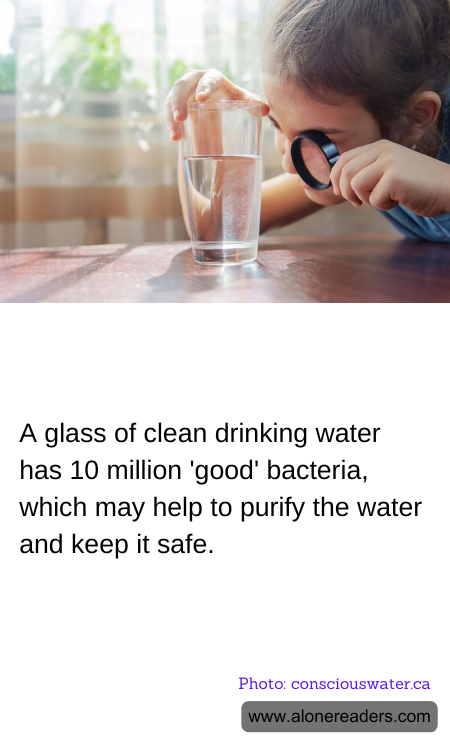
In the quest for clean and safe drinking water, scientists have discovered that a glass of water can contain up to 10 million 'good' bacteria. These beneficial microorganisms play a crucial role in maintaining the purity and safety of our drinking water, offering a natural and effective means of purification.
Contrary to the common perception that all bacteria are harmful, these 'good' bacteria are essential allies in the water purification process. They thrive in water distribution systems and act as natural filters, breaking down organic matter and other potential contaminants. This biological activity helps to maintain the quality of water as it travels from treatment plants to our taps. By consuming and neutralizing harmful substances, these bacteria ensure that the water remains safe for human consumption.
The presence of these bacteria is a testament to the complex and efficient ecosystems that exist within our water supply systems. They form biofilms on the inner surfaces of pipes, creating a living barrier that further purifies the water. This natural filtration process is an integral part of maintaining water quality, reducing the need for excessive chemical treatments that can sometimes have adverse effects on both human health and the environment.
Moreover, the role of these bacteria extends beyond purification. They contribute to the stability of the water ecosystem by preventing the growth of harmful pathogens. By outcompeting and inhibiting the proliferation of dangerous bacteria, these 'good' bacteria act as guardians of our health, ensuring that the water we drink is not only clean but also safe.
Understanding the role of these microorganisms highlights the importance of maintaining balanced and healthy water systems. It underscores the need for sustainable water management practices that support the natural processes at work. By fostering environments where beneficial bacteria can thrive, we can enhance the natural purification processes and reduce reliance on chemical interventions.
In conclusion, the discovery of 10 million 'good' bacteria in a glass of clean drinking water is a reminder of the intricate and beneficial relationships that exist in nature. These microorganisms are vital to ensuring the safety and purity of our water, providing a natural solution to one of the most fundamental needs of human life. As we continue to explore and understand these complex systems, we can better appreciate the delicate balance that sustains our environment and our health.
