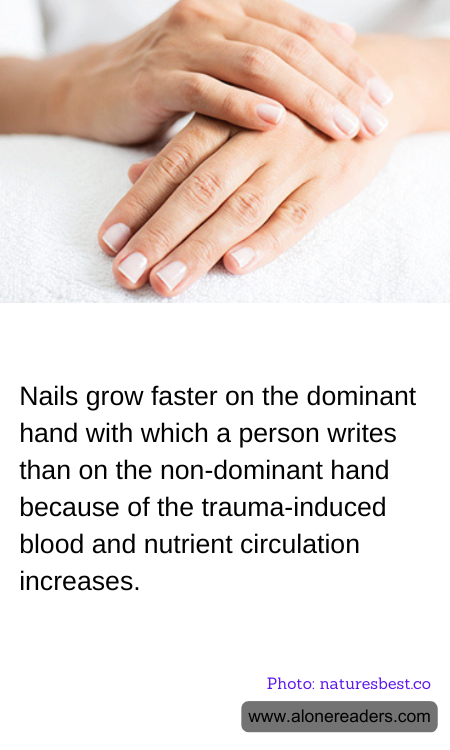
The human body is a marvel of biological engineering, and even the smallest details, such as nail growth, can reveal fascinating insights into how our bodies function. One intriguing phenomenon is the observation that nails tend to grow faster on the dominant hand, the one with which a person writes, compared to the non-dominant hand. This difference in growth rate is attributed to increased blood and nutrient circulation, often induced by the minor traumas and activities associated with the dominant hand's frequent use.
The dominant hand is typically more active and engaged in daily tasks, from writing and typing to cooking and crafting. This constant activity leads to micro-traumas—tiny, often imperceptible injuries—that stimulate the body's natural healing processes. When the body detects these minor traumas, it responds by increasing blood flow to the affected area. This enhanced circulation delivers more oxygen and nutrients, essential components for cell growth and repair, to the nails. As a result, the nails on the dominant hand receive a more abundant supply of the resources they need to grow, leading to a faster growth rate compared to the non-dominant hand.
Moreover, the increased use of the dominant hand also means that it is more frequently exposed to environmental factors and stimuli that can further promote nail growth. For instance, the act of typing or playing a musical instrument can create vibrations and pressures that stimulate the nail matrix, the part of the nail bed responsible for producing new nail cells. This stimulation can enhance the production of keratin, the protein that makes up the nails, thereby accelerating growth.
While the difference in nail growth between the dominant and non-dominant hands may seem minor, it is a testament to the body's remarkable ability to adapt and respond to its environment. This phenomenon underscores the importance of circulation in maintaining healthy nails and highlights how even routine activities can influence our body's biological processes.
For those interested in maintaining healthy nails, it is beneficial to engage both hands in various activities to promote balanced growth. Regularly massaging the nails and cuticles can also enhance circulation, while a diet rich in vitamins and minerals supports overall nail health. By understanding the factors that influence nail growth, individuals can take proactive steps to ensure their nails remain strong and healthy.
In conclusion, the faster growth of nails on the dominant hand is a fascinating example of how our bodies respond to the demands of daily life. Through increased blood flow and nutrient delivery, the body ensures that the nails on the more active hand receive the resources they need to grow efficiently. This natural process not only highlights the intricate connections between activity and biological function but also offers insights into how we can care for and maintain our nails effectively.
