Dogs have long been known as man's best friend, but their behaviors can sometimes be puzzling to their human companions. One such behavior is urine marking, a natural and instinctive practice that serves as a form of communication among dogs. When dogs mark their territory with urine, they are essentially leaving behind a message for other dogs. This behavior is most commonly observed in male dogs, but some female dogs also engage in urine marking.
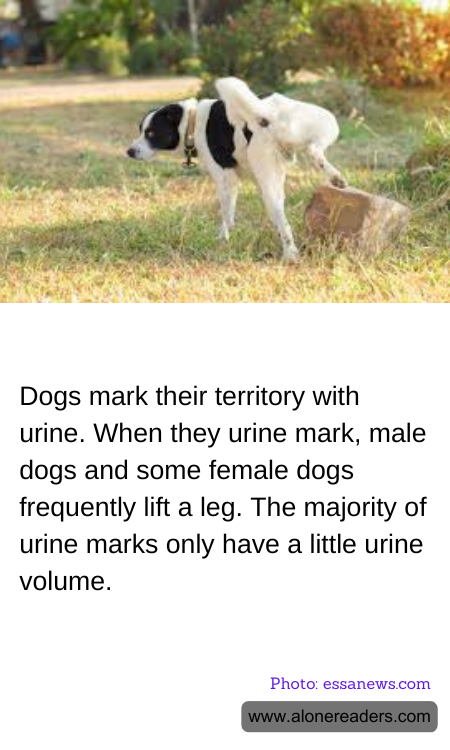
The act of urine marking is not to be confused with regular urination. While urination is primarily a biological necessity, urine marking is a deliberate action aimed at establishing dominance, signaling reproductive status, or simply marking territory. When dogs urine mark, they often lift a leg to ensure that their scent is deposited at nose level for other dogs. This posture is particularly common in male dogs, but some female dogs also adopt this stance when marking.
Interestingly, the volume of urine used in marking is typically quite small. Unlike a full bladder release, a urine mark is just a few drops, enough to convey the intended message without wasting resources. This efficient use of urine allows dogs to mark multiple locations within their territory, reinforcing their presence and status to other canines.
Urine marking is a behavior deeply rooted in a dog's evolutionary history. In the wild, marking territory with urine helps to establish boundaries and reduce conflicts among animals. For domesticated dogs, this behavior persists as a way to communicate with other dogs in the neighborhood or even within the same household. It can also be a response to changes in the environment, such as the introduction of a new pet or a move to a new home.
For dog owners, understanding urine marking can be crucial in managing this behavior, especially if it becomes excessive or problematic. Training and behavior modification techniques can help reduce unwanted marking, particularly indoors. Neutering or spaying can also decrease the likelihood of marking, as these procedures often reduce the hormonal drives associated with the behavior.
In conclusion, urine marking is a natural and instinctive behavior in dogs that serves as a form of communication. While it may be perplexing to humans, it is an essential part of canine social interaction. By understanding the reasons behind urine marking, dog owners can better manage this behavior and ensure a harmonious relationship with their furry companions.
