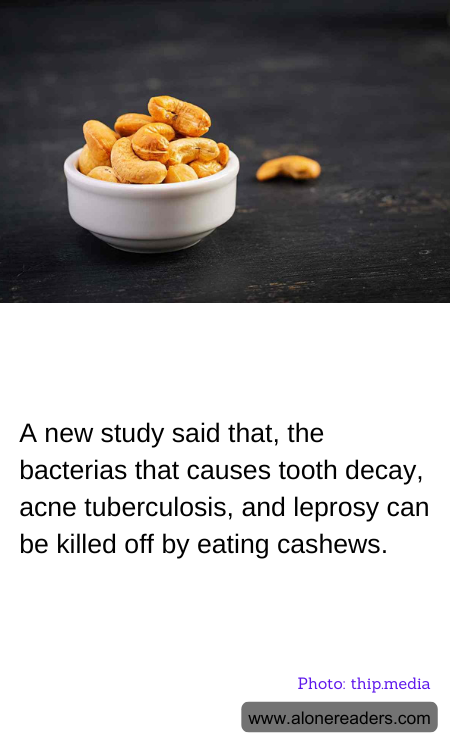
A recent study has unveiled a fascinating discovery that could revolutionize the way we approach some common and not-so-common bacterial infections. Researchers have found that cashews, the popular nut often enjoyed as a snack, contain compounds capable of killing off bacteria responsible for tooth decay, acne, tuberculosis, and leprosy. This revelation opens up new possibilities for natural and accessible treatments for these conditions, which have long posed challenges to public health.
Cashews are not only a delicious treat but also a powerhouse of nutrients, including healthy fats, vitamins, and minerals. However, their potential health benefits extend beyond nutrition. The study highlights that cashews contain anacardic acids, which have demonstrated significant antibacterial properties. These acids are particularly effective against Streptococcus mutans, the primary bacterium responsible for tooth decay. By inhibiting the growth of this bacterium, cashews could potentially reduce the incidence of cavities and improve oral health.
The implications of this study extend beyond dental health. Acne, a common skin condition affecting millions worldwide, is often caused by the bacterium Propionibacterium acnes. The antibacterial properties of cashews could offer a natural remedy for acne sufferers, providing an alternative to chemical-based treatments that can sometimes cause irritation or other side effects. Incorporating cashews into one's diet might help in managing acne outbreaks, promoting clearer skin in a natural way.
Perhaps most intriguing is the potential impact of cashews on more severe bacterial infections like tuberculosis and leprosy. Tuberculosis, caused by Mycobacterium tuberculosis, remains a significant global health issue, with millions of new cases reported each year. Leprosy, although less common, still affects thousands annually. The study suggests that the compounds found in cashews can inhibit the growth of these bacteria, offering a promising avenue for developing new treatments or supplements to combat these diseases.
While the findings are promising, it is important to approach them with cautious optimism. Further research is needed to fully understand the mechanisms through which cashews exert their antibacterial effects and to determine the appropriate quantities needed for therapeutic benefits. Additionally, cashews should not be seen as a standalone cure but rather as a potential complementary approach to existing treatments.
Incorporating cashews into a balanced diet could offer a range of health benefits, from improved oral hygiene to clearer skin and possibly even aiding in the fight against serious bacterial infections. As research continues to unfold, the humble cashew might just prove to be a valuable ally in promoting health and well-being. For now, enjoying a handful of these nuts as part of a healthy lifestyle could be a delicious and beneficial choice for people of all ages.
