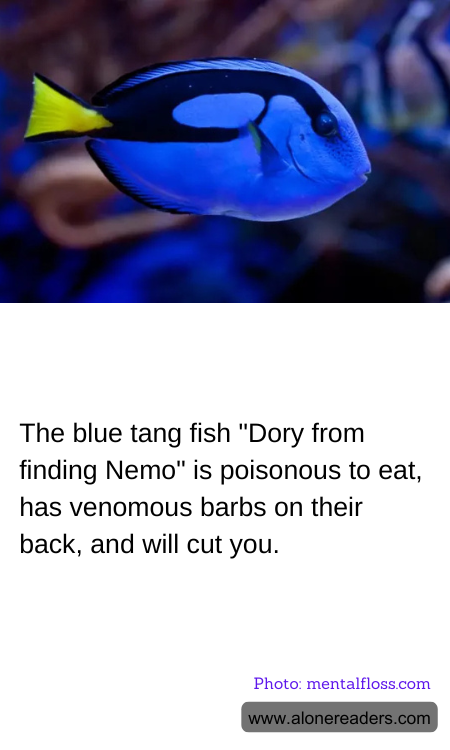
The blue tang fish, made famous by the character "Dory" from the beloved animated film "Finding Nemo," is a vibrant and fascinating creature that captures the imagination of both children and adults. However, beneath its charming exterior lies a series of surprising and lesser-known facts that are crucial for anyone interested in marine life or considering this species for an aquarium.
Scientifically known as Paracanthurus hepatus, the blue tang is native to the coral reefs of the Indo-Pacific region. Its striking blue body, accented with a yellow tail and black 'palette' design, makes it a popular choice among aquarium enthusiasts. Despite its popularity, the blue tang is not a fish to be taken lightly. One of the most critical aspects to understand about this species is its toxicity. The blue tang is poisonous to eat, a fact that is often overlooked by those who are charmed by its animated counterpart. Consuming this fish can lead to ciguatera poisoning, a foodborne illness caused by eating certain reef fish whose flesh is contaminated with toxins. Symptoms of ciguatera poisoning can include nausea, vomiting, and neurological effects, making it a serious health risk.
In addition to being poisonous, the blue tang is also equipped with venomous barbs located on either side of its tail. These sharp spines are a defense mechanism against predators, allowing the fish to protect itself in the wild. When threatened, the blue tang can extend these barbs, which can inflict painful wounds on potential threats, including humans. This feature is particularly important for those who handle these fish in aquariums, as a careless approach can lead to injury.
The blue tang's defensive capabilities serve as a reminder of the complexities and wonders of marine life. While Dory's character in "Finding Nemo" is portrayed as friendly and approachable, the real-life blue tang is a testament to the intricate balance of nature, where beauty often comes with hidden dangers. For those interested in keeping blue tangs in home aquariums, it is essential to provide a suitable environment that mimics their natural habitat, ensuring they have ample space to swim and thrive. Additionally, handling should be minimized to avoid stress and potential injury from their venomous barbs.
In conclusion, the blue tang fish is a remarkable species that offers much more than meets the eye. Its vibrant appearance and animated fame are just the surface of a complex and intriguing creature. Understanding the blue tang's poisonous nature and defensive mechanisms is crucial for anyone interacting with this species, whether in the wild or in a controlled environment. By respecting the natural traits and needs of the blue tang, we can appreciate the true beauty and complexity of this fascinating fish.
